.png "Phá rào cản, khơi nguồn lực: Việt Nam quyết liệt hành động xây dựng quốc gia biển mạnh")
.png "Bài 2. Lãng phí “kho báu điện gió ngoài khơi”: Bỏ ngỏ cơ hội, chậm bước ra biển lớn")



Gửi bình luận
Mega Story
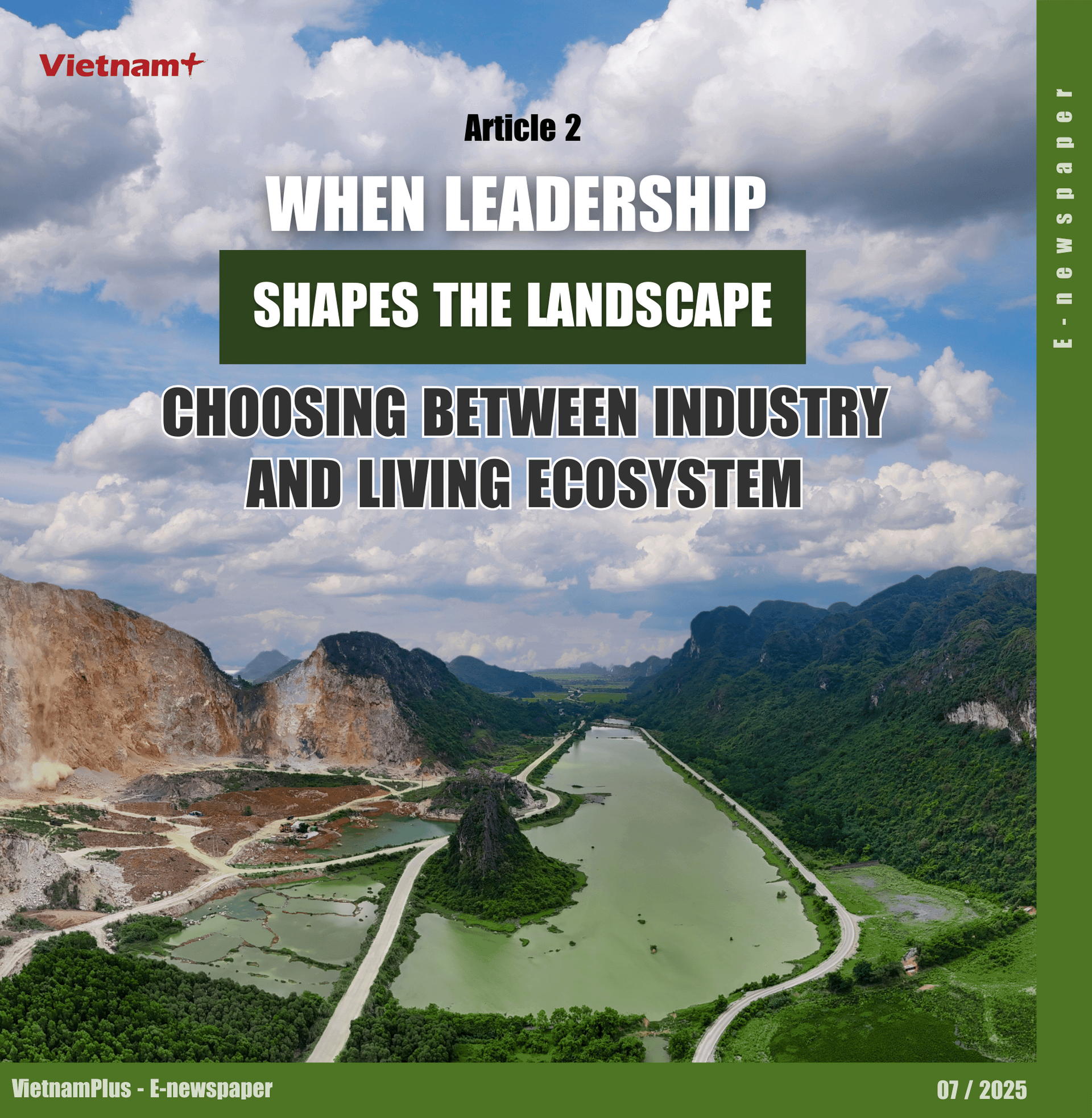
Article 2. When Leadership Shapes the Landscape: Choosing Between Industry and Living Ecosystems
Real-world development patterns across localities sharing similar “natural capital” show a consistent truth: whether a province chooses a “brown” or a “green” development model depends largely on the mindset and decisions of its top leaders.
Yet, real-world development patterns across localities sharing similar “natural capital” show a consistent truth: whether a province chooses a “brown” or a “green” development model depends largely on the mindset and decisions of its top leaders.
Divergent Paths: Environmental Degradation or Long-Term Well-Being
The contrast between Hà Nam and Ninh Bình in their choices concerning cement production and natural heritage conservation (before the provincial merger) offers the clearest example. Both provinces were endowed by Mother Nature with an extraordinary “treasure”—immense natural capital in the form of hundreds of limestone mountains and rare, endemic species, including Delacour’s langur, found only in Vietnam. Yet, each chose very different development pathways.
While Ninh Bình remains covered in lush green mountains and forests, Hà Nam—especially Kim Bảng district—has been marked by a harsh “white–grey” palette, shaped by the painful exploitation of numerous limestone mountains.
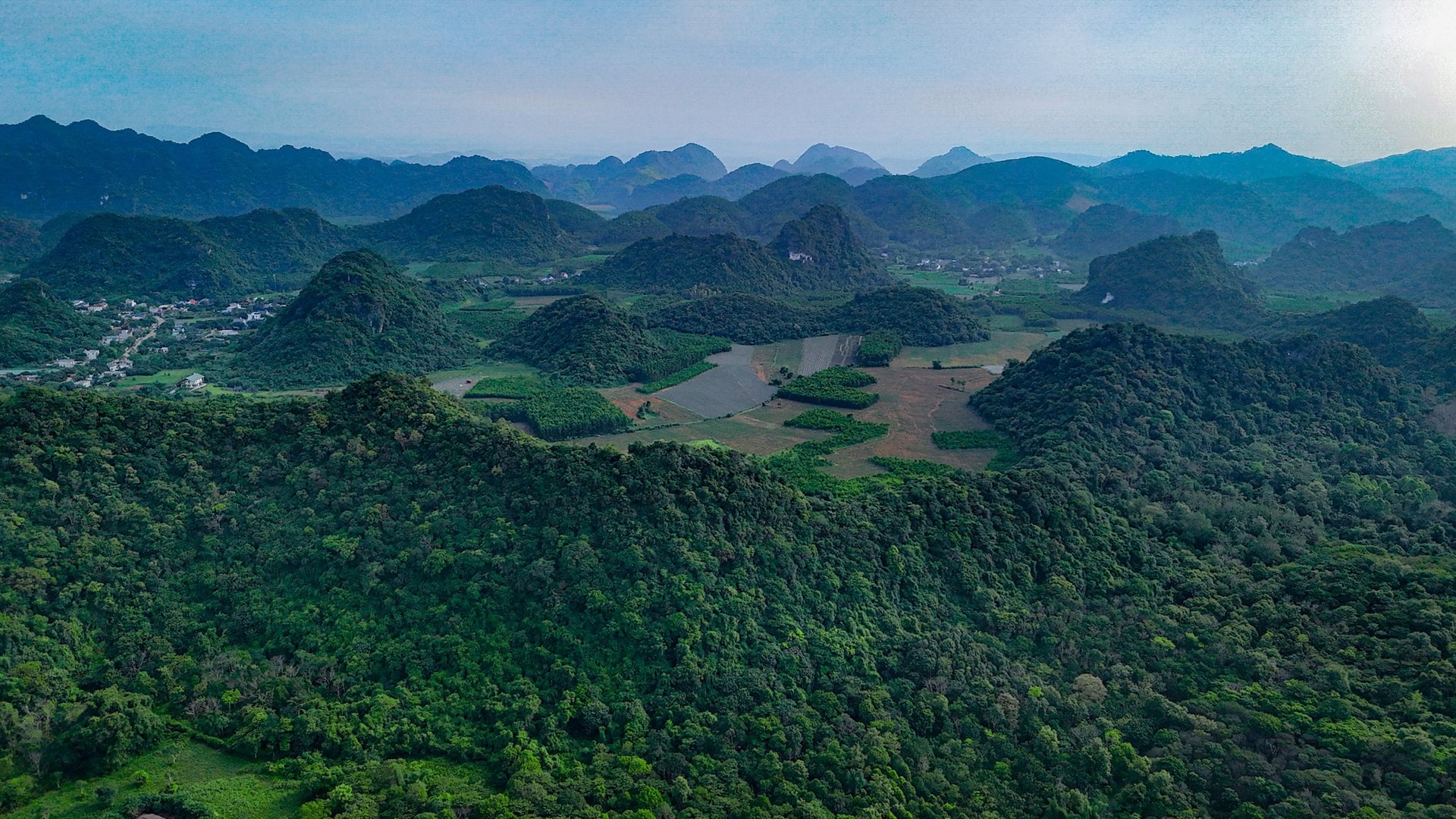
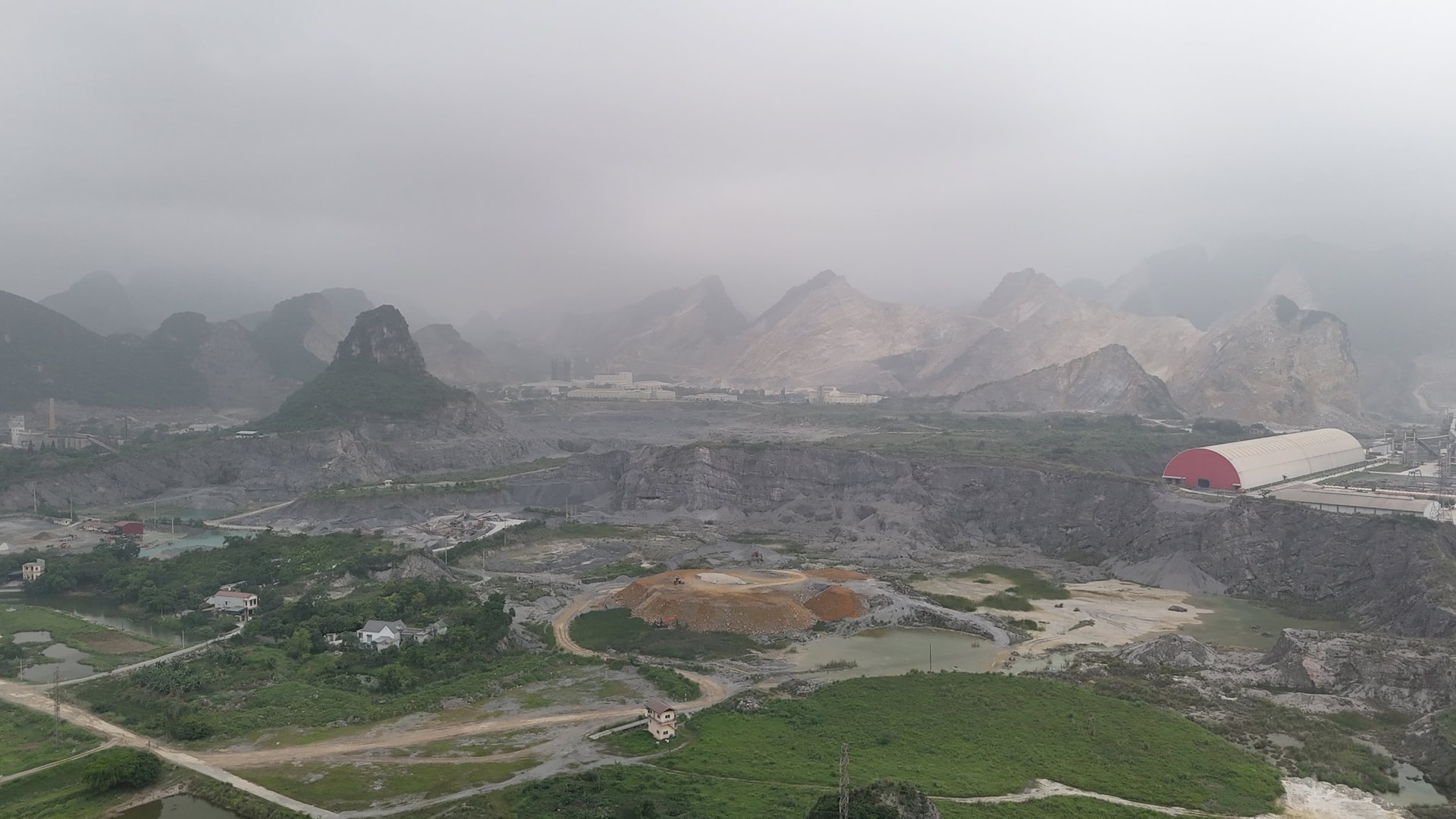

This reality is even starker when considering that for more than a decade, thousands of households living near quarrying zones in Kim Bảng (the area with the largest forest and forest land in Hà Nam) have been forced to barely survive amid pollution caused by dust clouds from blasting, stone extraction, cement production, and construction-material operations.
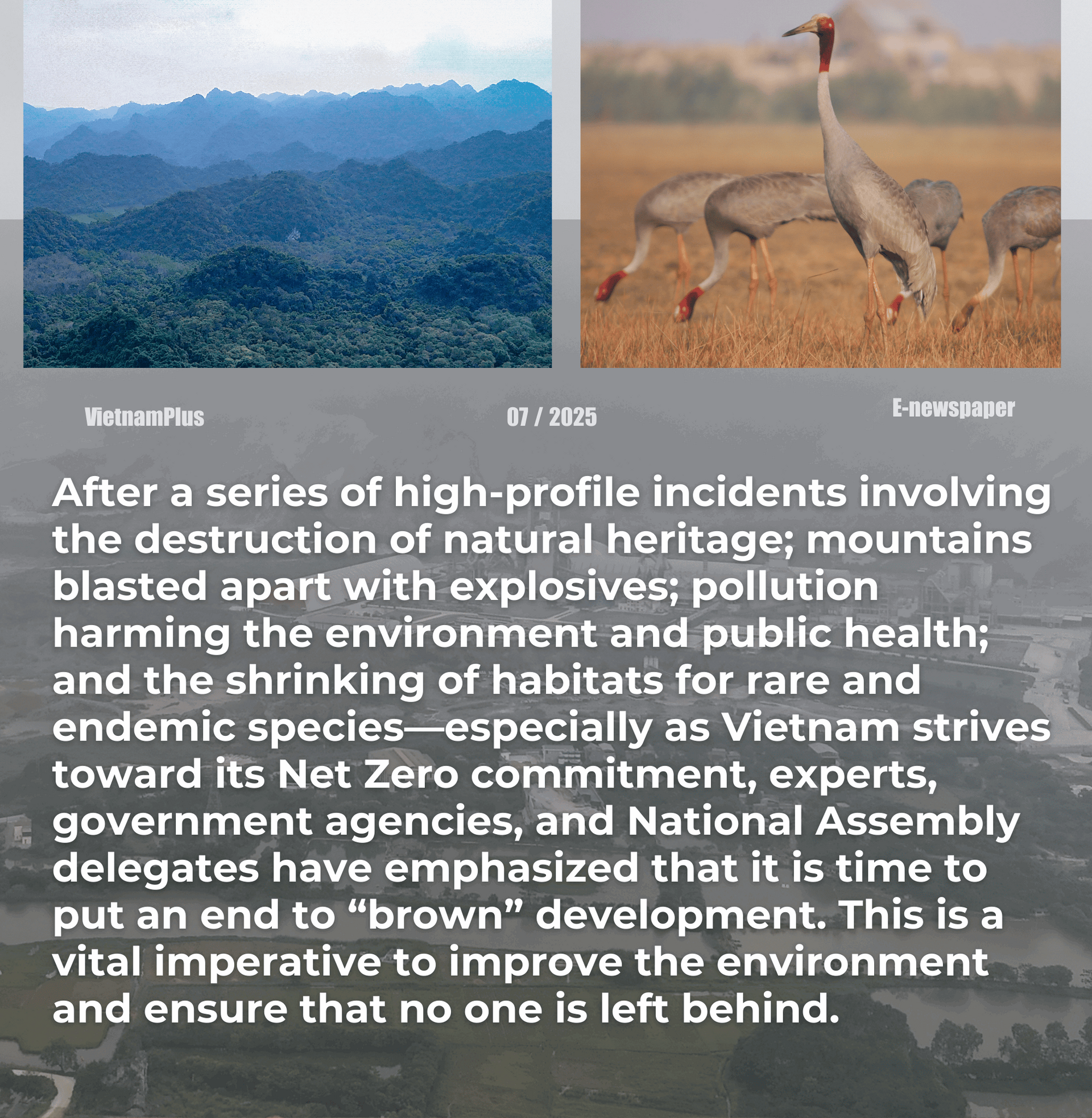
Likewise, over nearly ten years, dozens of official documents from ministries, sectors, and international organizations have been repeatedly sent to Hà Nam authorities, calling for the establishment of a Species and Habitat Conservation Area for the Delacour’s langur. The goal is to safeguard the world’s second-largest population of this rare, endemic primate from extinction. Yet to this day, the proposed protected area remains stalled with no official decision.
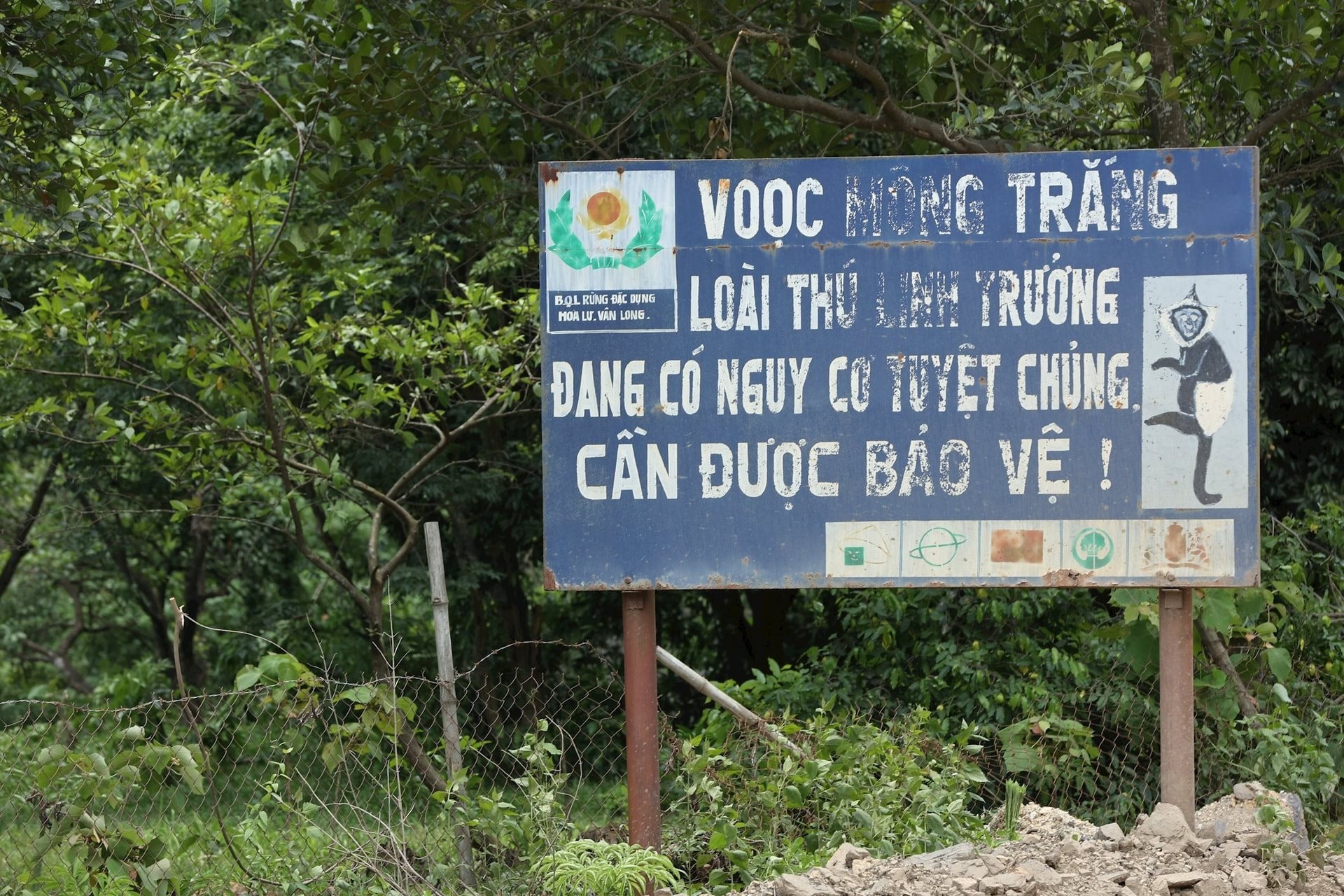
Meanwhile, in Gia Viễn district (Ninh Bình province) - home to the famous Vân Long Wetland Nature Reserve - local authorities and communities have spent more than two decades protecting the environment and biodiversity, preserving the pristine landscapes of Vân Long, and safeguarding the world’s largest population of Delacour’s langurs.
Understanding the value of conservation, residents living around Vân Long have acted responsibly toward nature, becoming “tourism ambassadors.” As a result, they have gained sustainable incomes and a sense of pride while living alongside natural heritage.
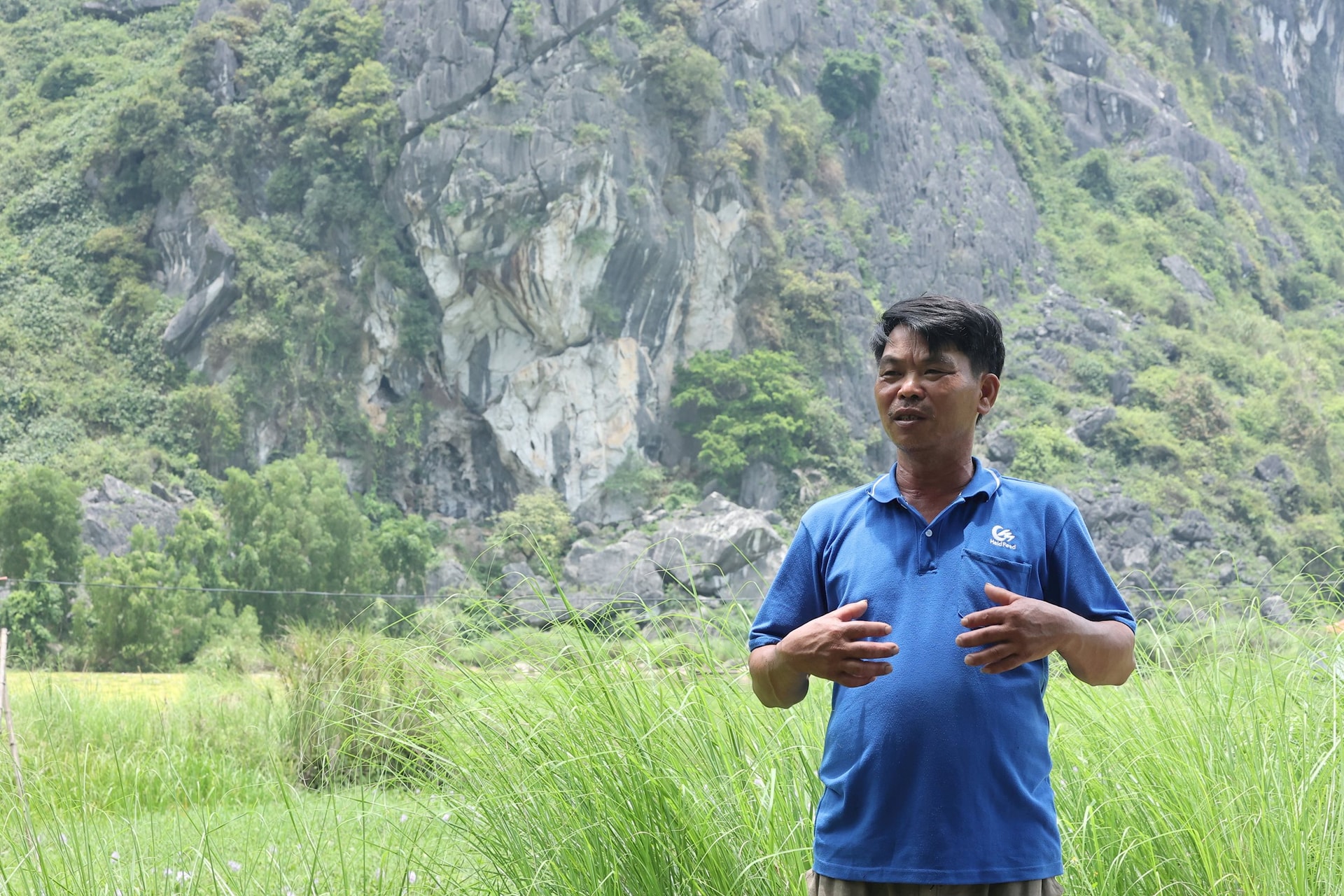
Mr. Tô Văn Ninh, a resident of Vườn Thị hamlet in Gia Hòa commune, shared that seven groups of Delacour’s langurs, each with 9–20 individuals, currently live near the hamlet. Thanks to well-protected habitats, visitors have flocked here for more than 20 years. “For us, this is a source of pride—we have the chance to promote our homeland’s image and earn additional income through community-based and green tourism, guiding visitors through the reserve and watching the langurs,” he said proudly.
Dr. Tilo Nadler, an 85-year-old German conservationist who has devoted more than 30 years of his life to conservation in Vietnam, noted that the Delacour’s langur exists only in a few very small areas of Vietnam. Because it is endemic, it is not only a national treasure, but also a global one.
.png)
“Therefore, the world cannot accept the disappearance of this precious primate. This means we must protect the langurs’ habitat in Kim Bảng. If we fail to save the environment and the Delacour’s langur population, Vietnam will leave a negative mark on the global stage,” Dr. Nadler said with deep concern.
He also stressed that residents in Kim Bảng have been living under suffocating pollution near quarries and cement factories. “They have suffered enough. Meanwhile, once the limestone is gone, cement production will inevitably end. In contrast, choosing conservation and green tourism would bring sustainable income for the country and local people.”
Without Environmental Improvement, the Net Zero Goal Will Be Extremely Hard to Achieve
Reflecting on Hà Nam’s past development model and Ninh Bình’s sustainable practices, Mr. Tăng Xuân Hòa, Deputy Director of Hà Nam’s Sub-Department of Agriculture and Forest Protection, believes that the key to choosing the right and sustainable development pathway lies in the mindset of provincial leaders. He emphasized that focusing on conservation, agriculture, and social welfare is the true foundation of life.
Mr. Hòa agrees that without improving environmental conditions, Vietnam’s Net Zero by 2050 target will be extremely difficult to meet. He stressed that if development continues without proper environmental protection, Vietnam will pay a heavy price in the next 20 years. In contrast, well-managed forests and protected ecosystems will bring long-term sustainable value, not only for the environment but also through ecotourism and nature-based experiences.
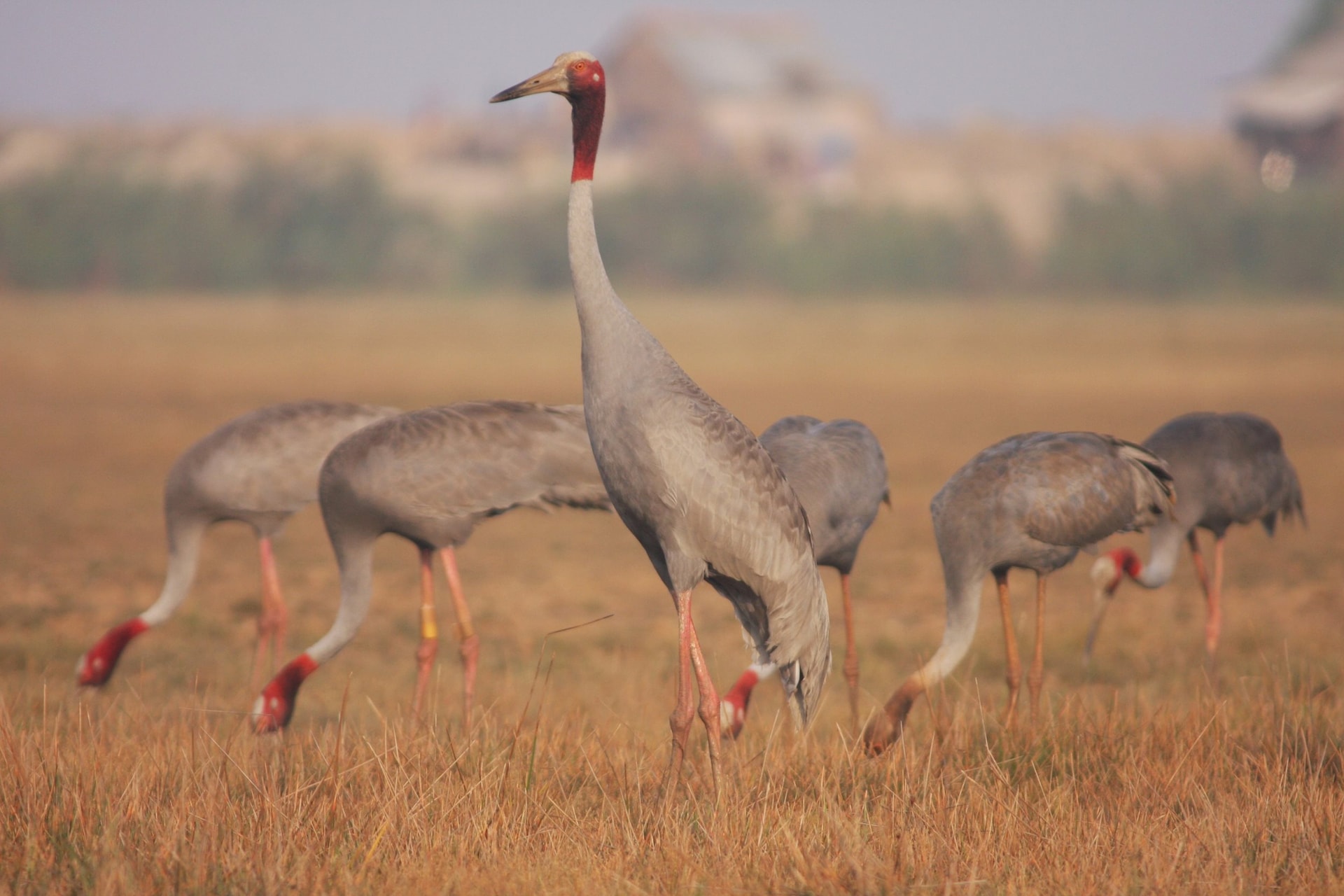
Traveling south to the Mekong Delta, Đồng Tháp province demonstrates that when government policy aligns with community will, conservation and green development become the right path forward. Mr. Đoàn Văn Nhanh, Deputy Director of the Center for Conservation and International Cooperation at Tràm Chim National Park, shared that in the memories of Đồng Tháp Mười residents, the elegant Sarus crane—dancing gracefully among vast green sedge meadows—had long been a symbol of the region’s peace. Yet over time, this image gradually vanished.
In response, the Đồng Tháp Provincial People’s Committee issued the 2022–2032 Plan for the Conservation and Development of the Sarus Crane at Tràm Chim National Park. After substantial efforts by local authorities and communities, along with assistance from conservation partners in Thailand, the province held a ceremony in April 2025 to welcome six Sarus cranes—the first individuals transferred from Thailand back to Vietnam.
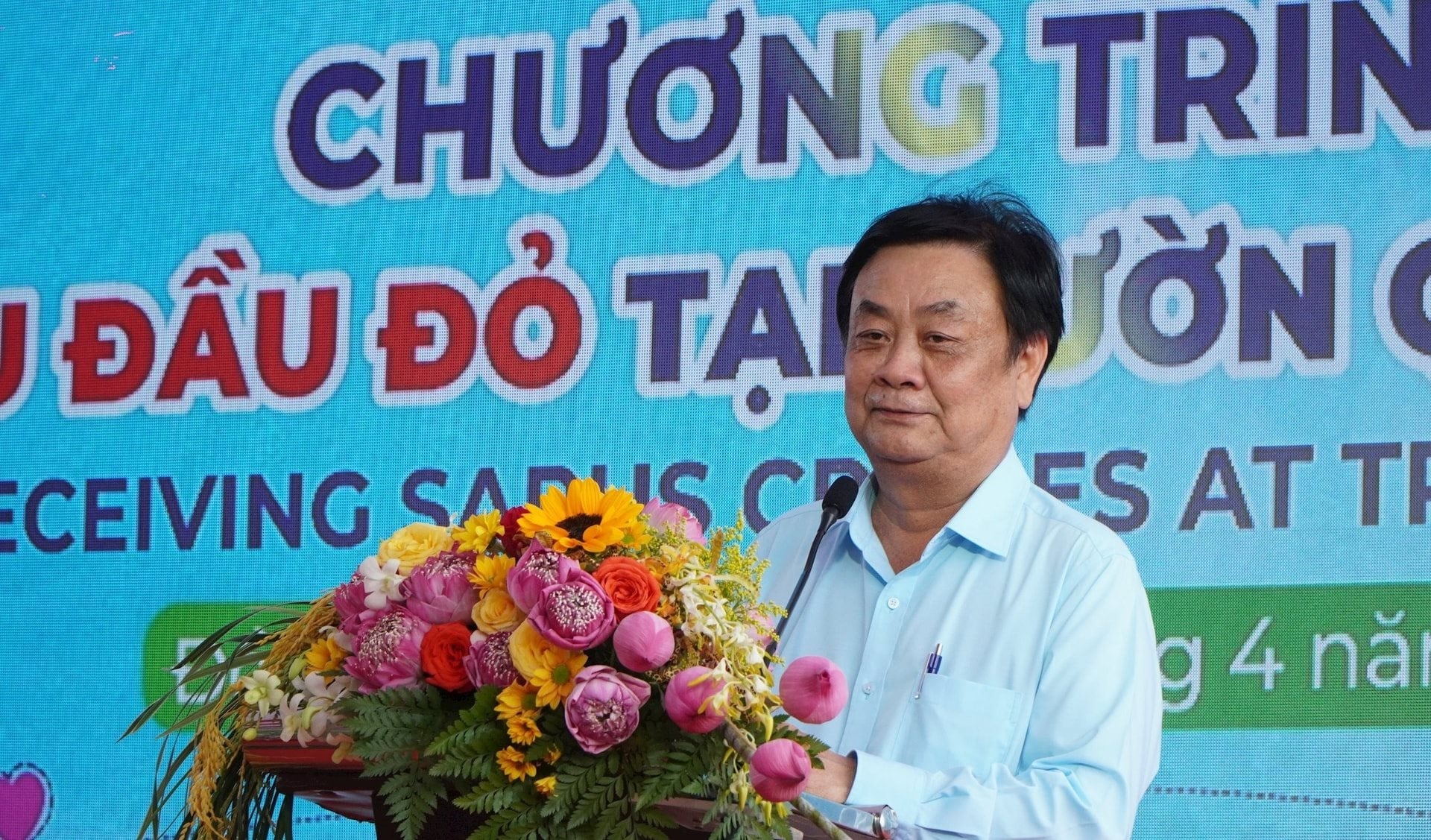
At the ceremony, Deputy Chairman of the National Assembly Lê Minh Hoan expressed his happiness at seeing the return of this treasured bird to its homeland. He emphasized that while nature can survive without humans, human life is inseparable from nature. “If we want to change the future, we must change how we think today—just as the farmers of Tràm Chim are transforming themselves,” he said.
Recognizing the importance of biodiversity in socio-economic development, Mr. Nguyễn Cao Sơn, Vice Chairman of the Ninh Bình Provincial People’s Committee, noted that the province has actively participated in international conservation conventions for many years, integrating biodiversity conservation into local development planning. As a result, the province’s forest cover has steadily increased, and numerous models combining tourism with ecosystem services have developed into distinct local attractions.
Turning Natural Heritage into a Catalyst for Sustainable Tourism
As Vietnam undergoes major changes to enter a new era of development—especially through the consolidation of provinces—experts and managers believe that designing and expanding interprovincial conservation spaces offers enormous potential for green growth. This is a vital imperative and an inevitable trend for safeguarding the “golden forests and silver seas” preserved by generations past.
Speaking to VietnamPlus reporters in May 2025, Mr. Tăng Xuân Hòa emphasized that Hà Nam’s Department of Agriculture and Environment supports expanding conservation space for sustainable green development. He hopes that the merger of Hà Nam, Ninh Bình, and Nam Định will create significant opportunities to design new conservation areas—protecting the Delacour’s langur, one of the world’s rarest primates, and other endangered species in the Kim Bảng forests.
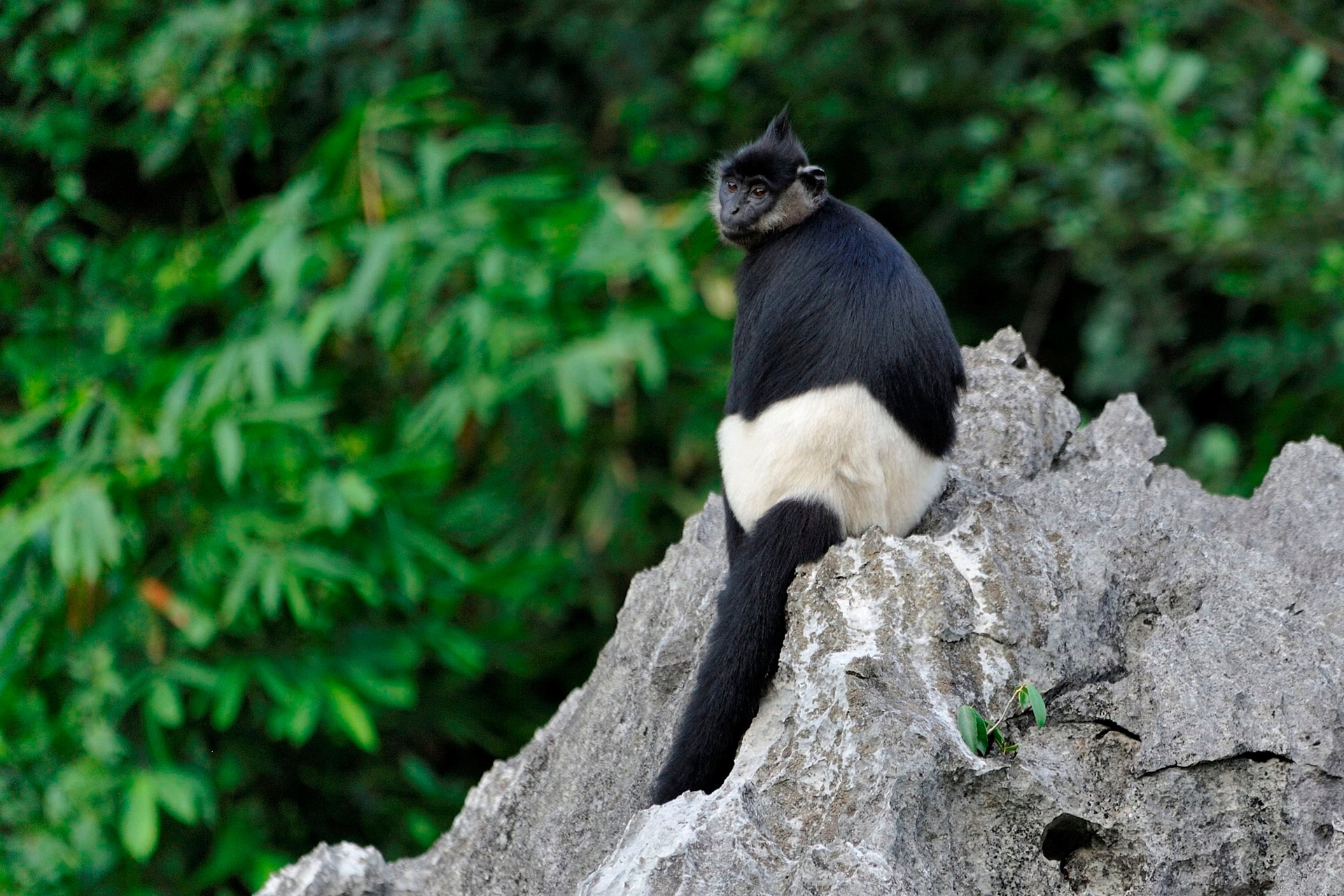
The merger of these three provinces into the new Ninh Bình province also opens vast potential for sustainable expansion of natural reserves. Expanding the Vân Long Wetland Nature Reserve into the Kim Bảng forest area would provide more extensive and safer habitat for wildlife—particularly endemic primates such as the Delacour’s langur—and reduce habitat fragmentation, a key driver of species decline.
Furthermore, the provincial merger creates opportunities for the new Ninh Bình to sustainably develop an integrated eco-cultural-spiritual tourism chain linking Tam Chúc–Tràng An–Cúc Phương–Vân Long–Kim Sơn. “If well managed, protected areas can both safeguard nature and attract tourists, creating livelihoods for local residents while generating resources for conservation,” Mr. Hòa noted.
With decades of conservation experience, Mr. Nguyễn Văn Chính, Director of Cúc Phương National Park, strongly supports the idea of expanding conservation space for biodiversity in the merged provinces.
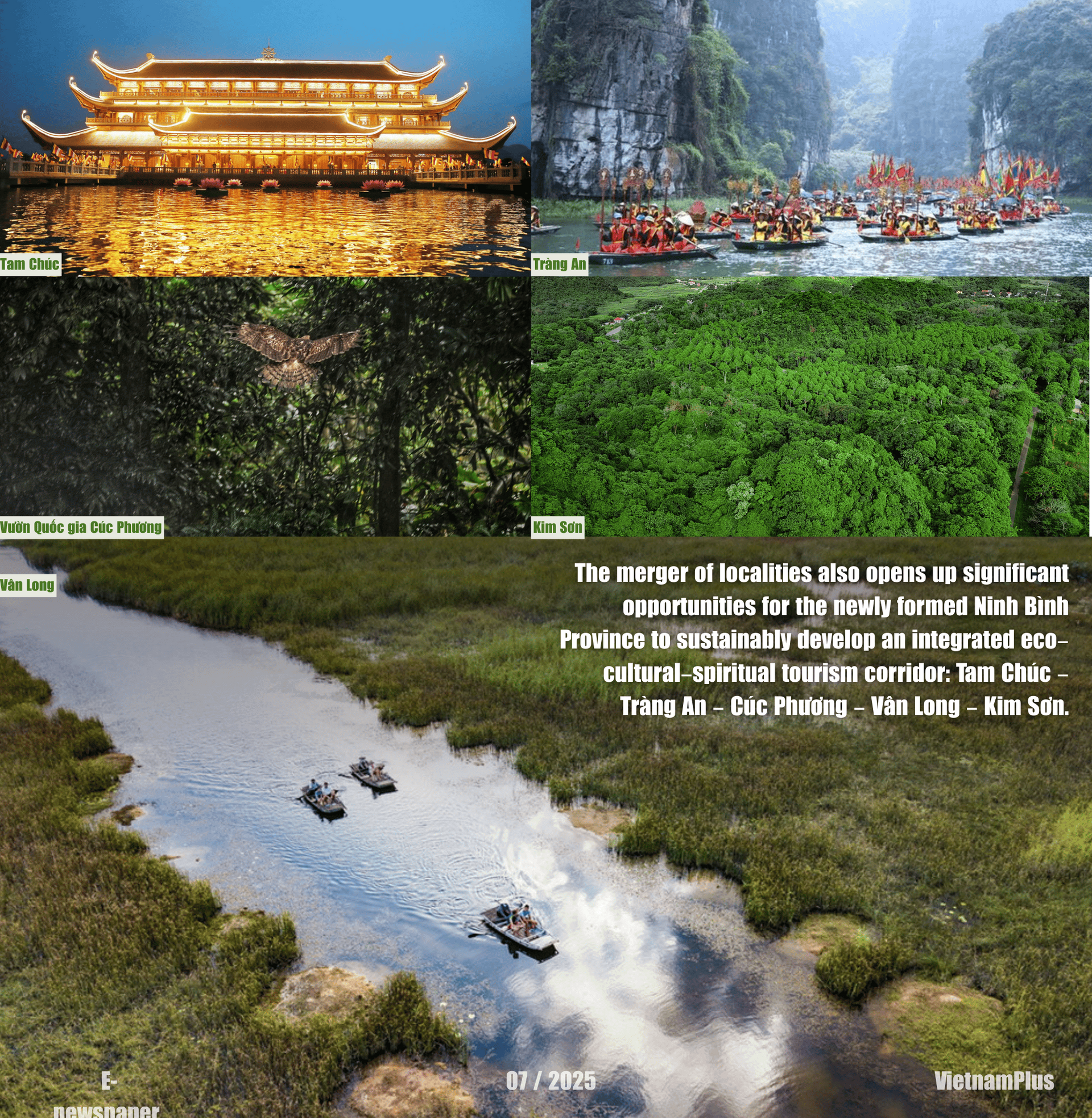
He explained that in areas like Kim Bảng, despite repeated requests from central authorities to establish a protected area, provincial development priorities previously prevented progress. With the provincial merger, connecting the conservation spaces of Kim Bảng and Vân Long becomes a logical and promising solution.
“Vân Long has been highly successful in conservation. This is an opportunity to consider linking its conservation landscape with Kim Bảng,” he said, adding that newly merged provinces can similarly “combine” potential protected areas to enhance the value of natural heritage.
For example, the merger of Phú Thọ, Vĩnh Phúc, and Hòa Bình into the new Phú Thọ province creates ideal conditions to establish a “golden tourism triangle” combining spiritual–cultural tourism (Hùng Kings Temple), ecological–wellness tourism, and community-based cultural tourism for both domestic and international visitors.
Sharing this perspective, Mr. Nguyễn Văn Thái, Executive Director of Save Vietnam’s Wildlife (SVW), said expanding conservation space in the context of provincial mergers is essential. Conservation areas must be large and governed under unified management frameworks.
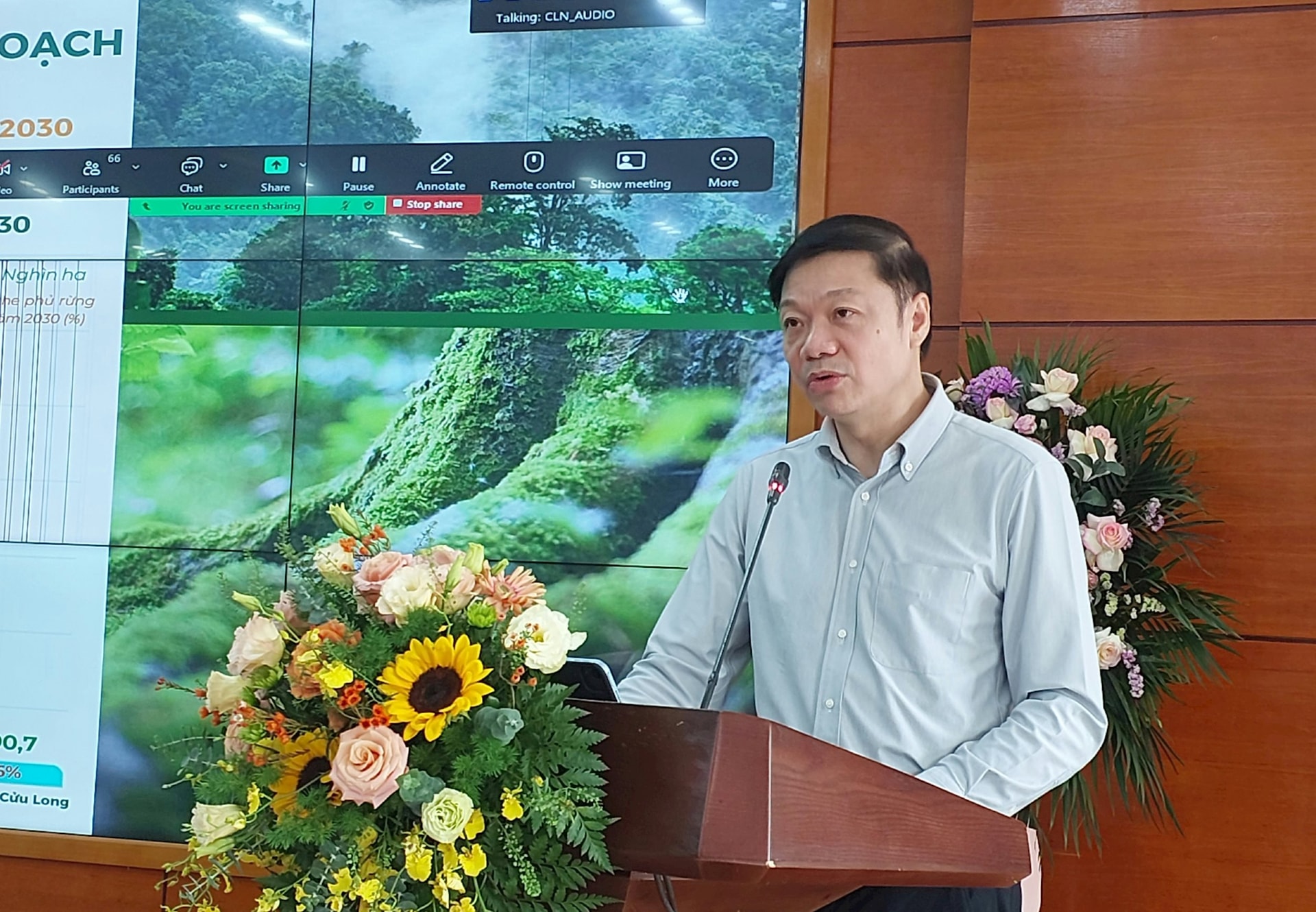
From the viewpoint of state forestry management, Mr. Trần Quang Bảo, Director General of the Forestry and Forest Protection Department (under the Ministry of Agriculture and Environment), stated that in the context of provincial mergers, local governments must adopt responsible decisions to ensure sustainable development, harmonize interests, and fulfill Vietnam’s international commitments—ultimately contributing to the Net Zero goal.
Mergers are expected to facilitate not only terrestrial conservation but also the expansion of marine conservation areas. Many experts believe that this will help Vietnam advance further along its path toward prosperity and sustainability.
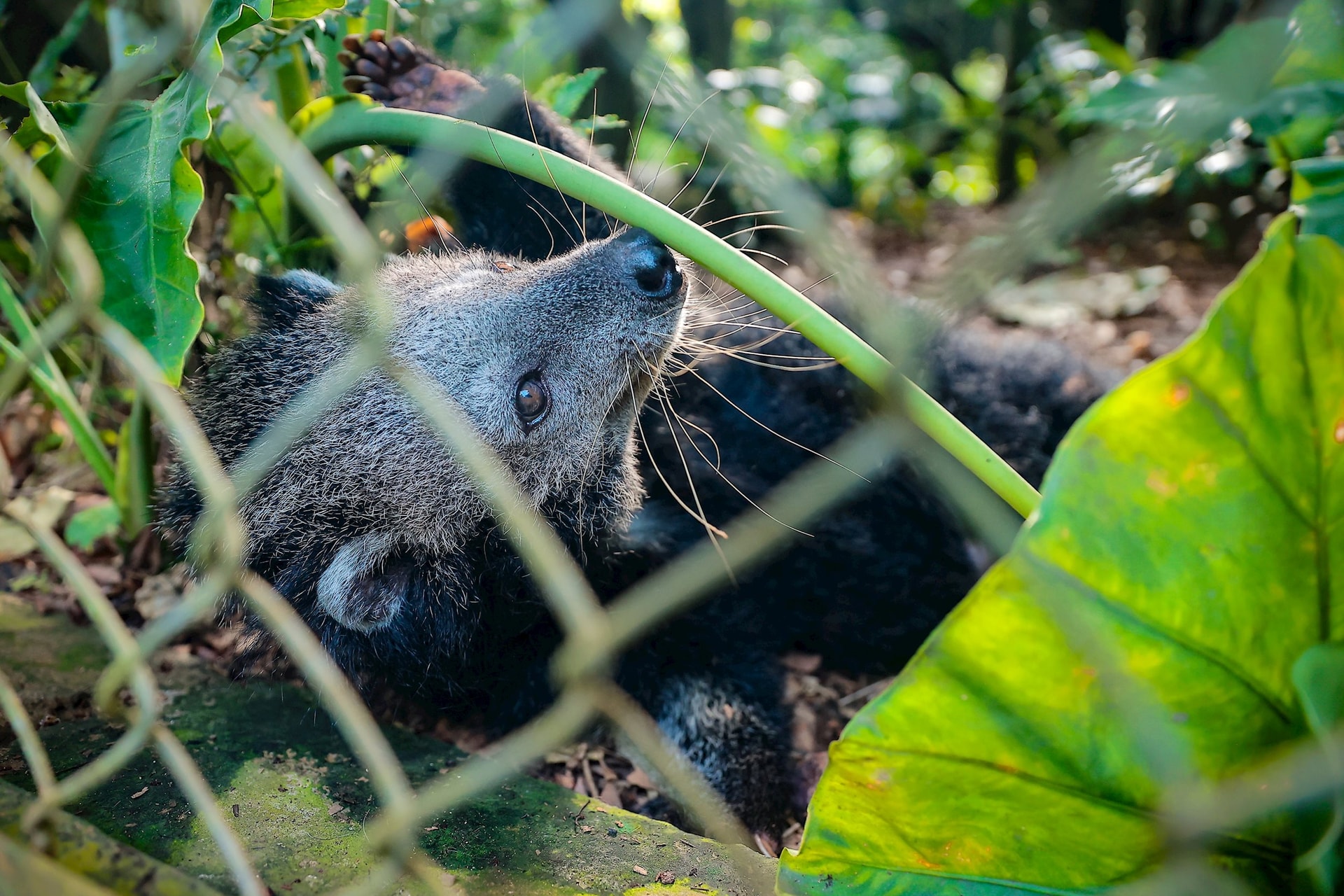
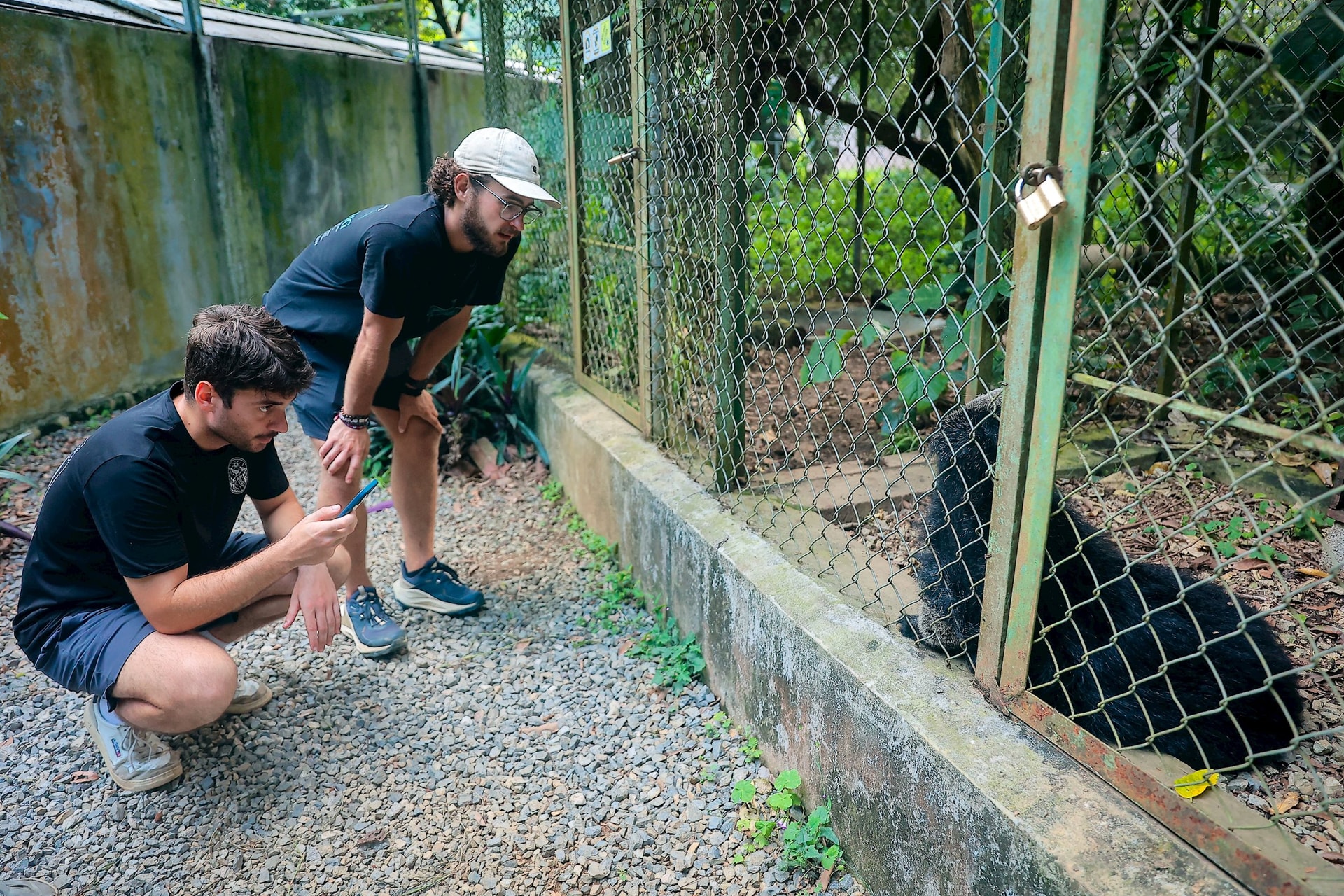
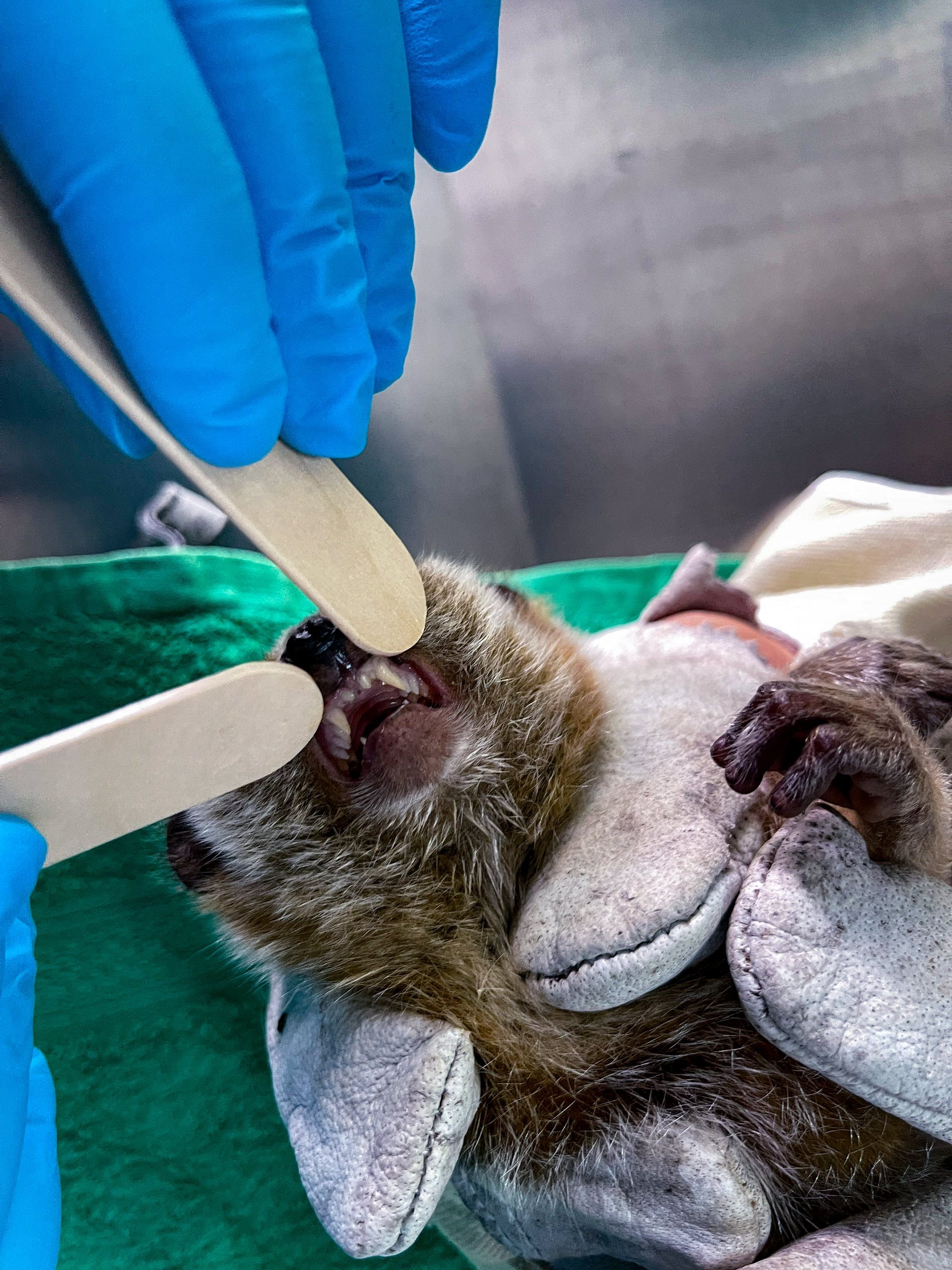
Mr. Nguyễn Đức Toàn, Director General of the Vietnam Administration of Seas and Islands, emphasized that in Vietnam’s era of national ascent, the marine economy is not only a driver of growth but also a symbol of the nation’s aspiration to become strong and prosperous from the sea. With provincial mergers, administrative reform, and the pursuit of double-digit growth targets, Vietnam now stands at a historic opportunity to position itself as a regional center of the marine economy.
“After mergers, provinces have larger scales and more concentrated resources, enabling the development of more strategic projects while reducing administrative barriers. This will strengthen marine economic value chains linking inland areas to offshore islands,” Mr. Toàn said.