Article 3. Vietnam’s Natural Heritage at a Turning Point: The Time to Act Is Now
•31/07/2025 15:19
For the country to rise and develop sustainably in the New Era, development models must also shift toward greener pathways.
After 50 years of national reunification and nearly 40 years of Đổi Mới reforms, Vietnam has overcome countless challenges and achieved remarkable progress.
However, for the country to rise and develop sustainably in the New Era, development models must also shift toward greener pathways. This signals that the time has come for Vietnam to adopt a long-term vision for nature—a strategy that is sustained, continuous, and steadfast, where nature is not an afterthought in planning but a core component of sustainable development.
Confronting the Pressures Driving Biodiversity Decline
Deputy Minister of Agriculture and Environment Nguyễn Quốc Trị emphasized that nature and biodiversity are the foundation of all life and the basis for sustainable human development on Earth. Conserving biodiversity means protecting the future of humanity. This is why nations around the world adopted the Kunming–Montreal Global Biodiversity Framework, expressing determination to halt biodiversity loss for the planet’s sustainable future.
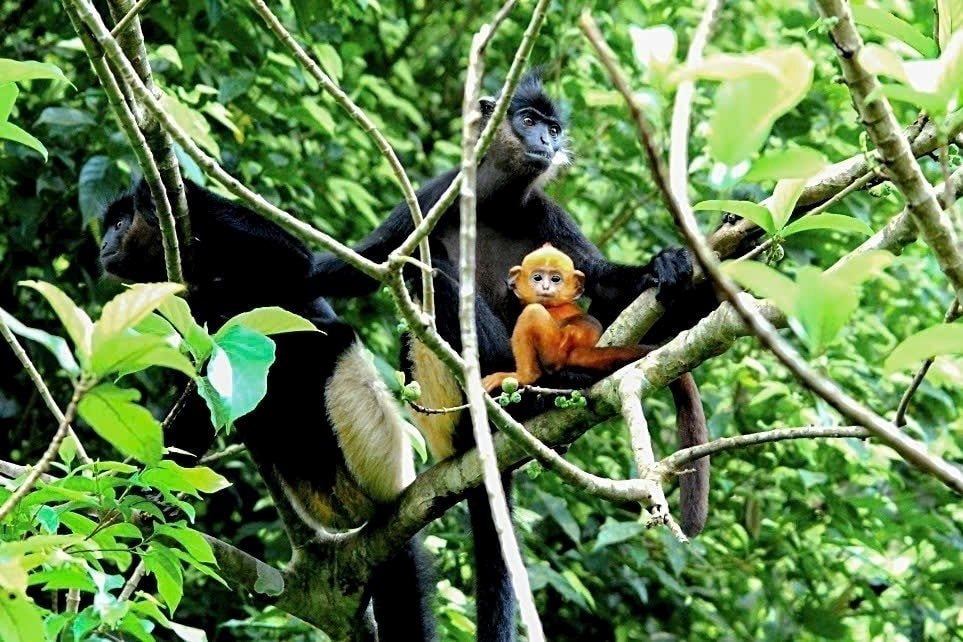
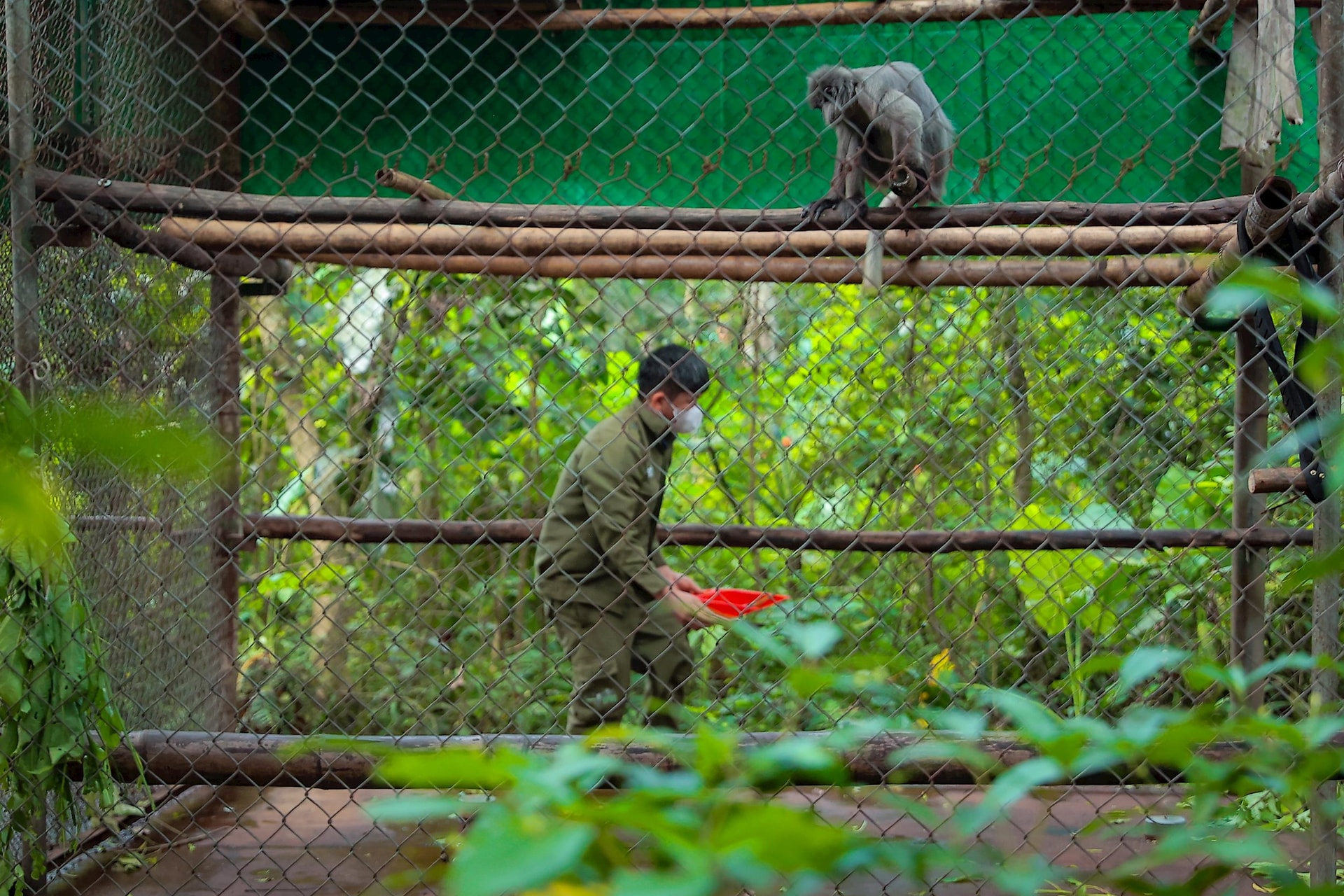
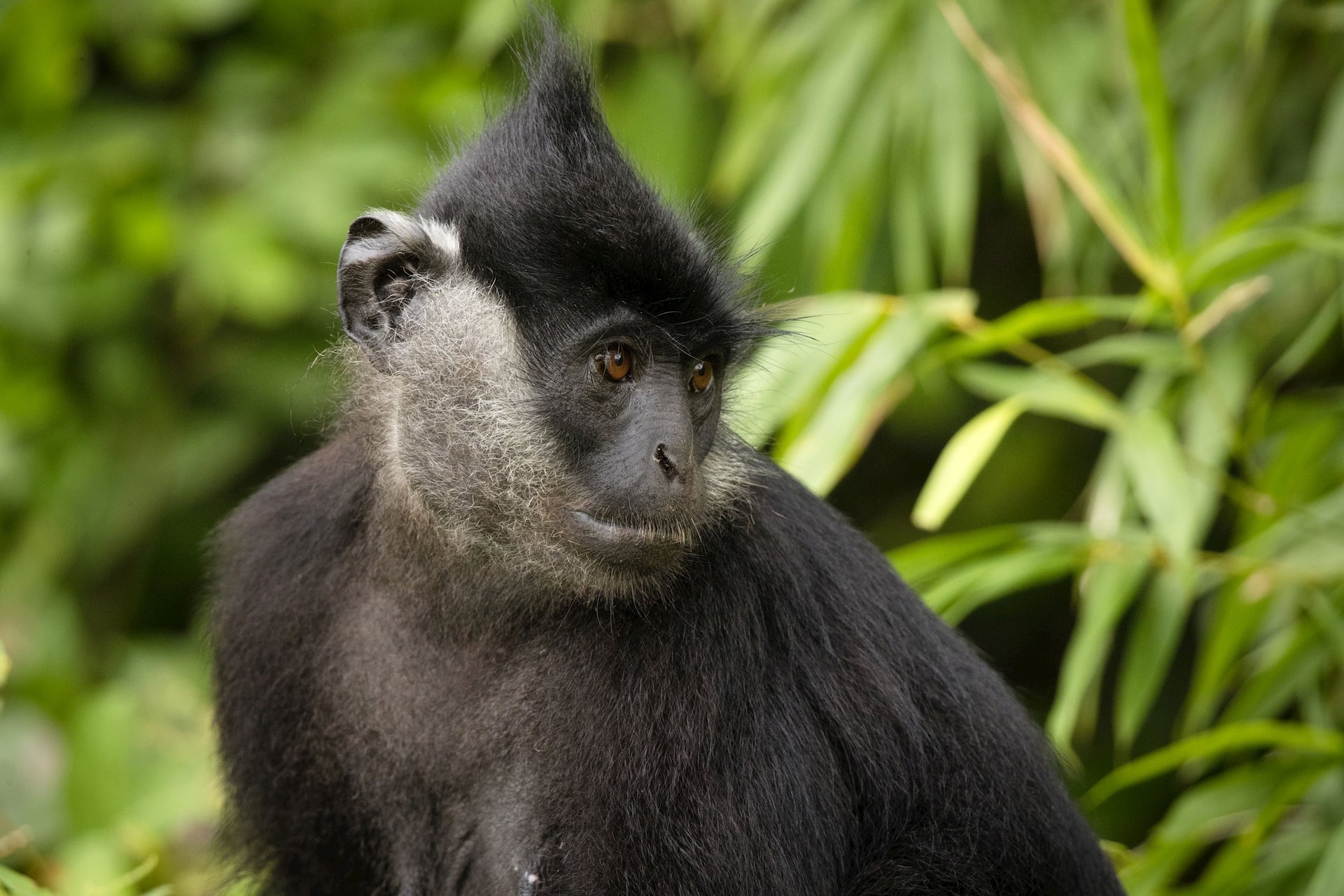
One of the foremost priorities today is to ensure a suitable habitat for rare and endemic wildlife species. Pictured is a white-rumped langur (Trachypithecus delacouri) in the semi-wild enclosure of the Endangered Primate Rescue Center (EPRC); only about 400 individuals remain in the wild. (Photo: VNA)
For Vietnam—a country ranked 16th in the world for biodiversity and home to many endangered, rare species and valuable wild genetic resources of national and global importance—Deputy Minister Trị noted that in recent years, the system of natural reserves has been expanded and strengthened. However, biodiversity conservation remains under immense pressure from economic development, climate change, environmental pollution, forest degradation, and invasive alien species.
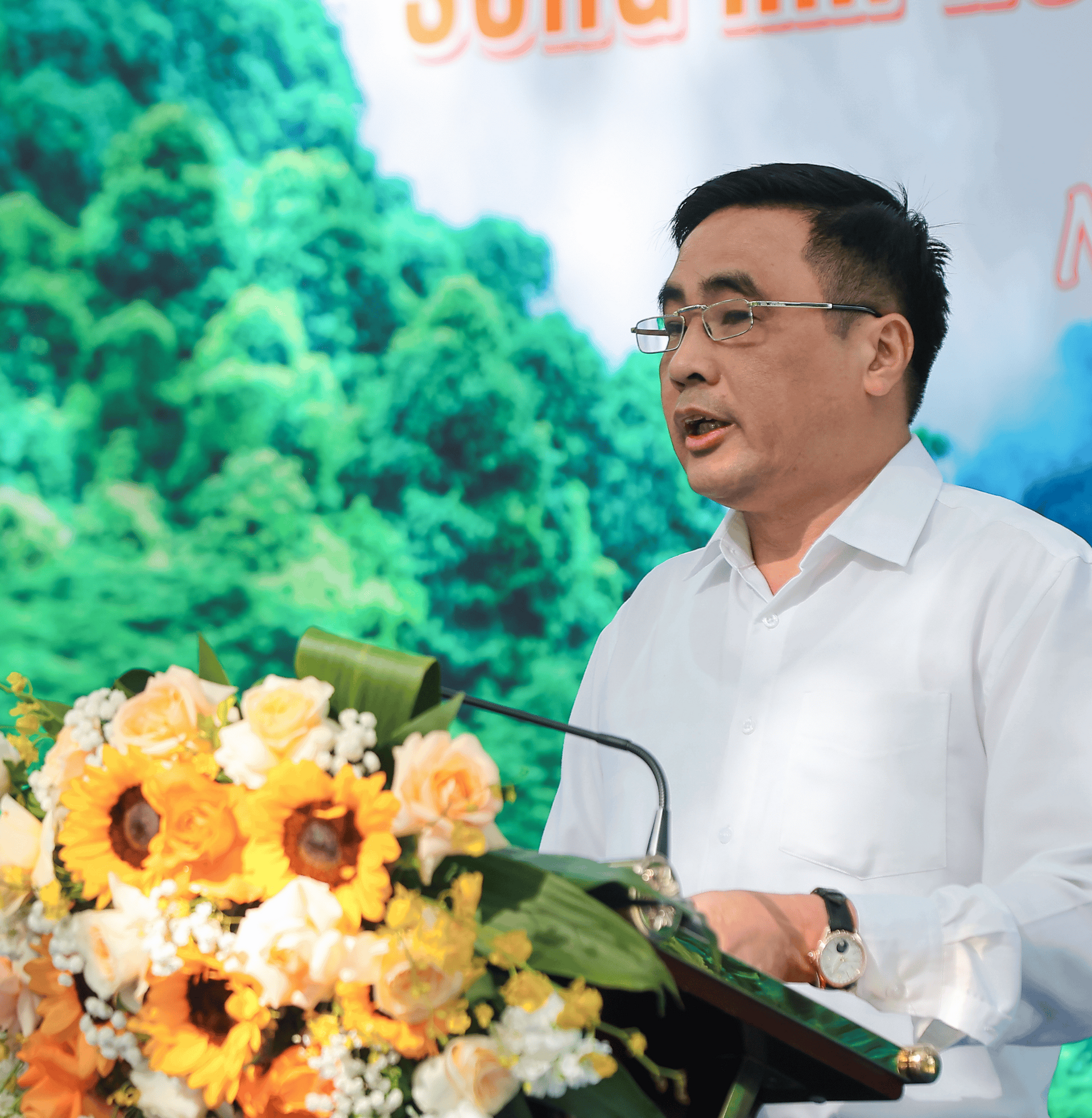
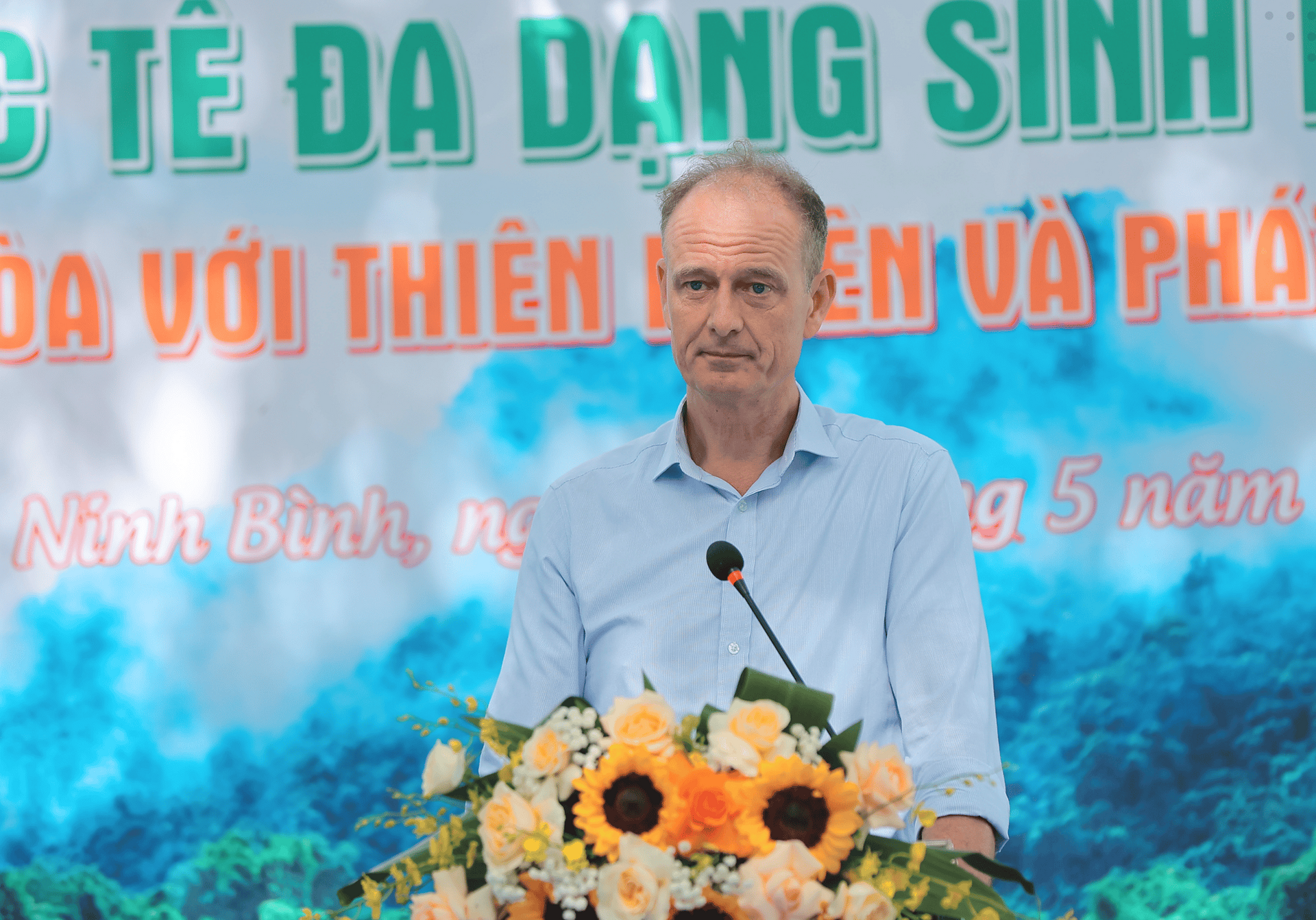
Deputy Minister of Agriculture and Environment Nguyễn Quốc Trị. (Photo: VNA)
“These losses will be irreversible if we do not act decisively and in time, mobilizing the strength of the entire society,” he stressed.
Given this reality, Deputy Minister Trị called on ministries, sectors, localities, organizations, and individuals to take practical action to address biodiversity conservation challenges. Key priorities include improving regulatory mechanisms and policy frameworks to harmonize conservation with the sustainable use of biodiversity; integrating conservation with poverty reduction, green livelihoods, ecotourism, and environmental education.
Deputy Director General of the Nature and Biodiversity Conservation Agency Hoàng Thị Thanh Nhàn. (Photo: VNA)
Deputy Director General of the Nature and Biodiversity Conservation Agency Hoàng Thị Thanh Nhàn also proposed that Vietnam must continue improving its legal framework to ensure unified management aligned with international commitments and the evolving national context. She emphasized the need to mainstream biodiversity conservation into planning and development strategies across economic sectors—particularly agriculture, forestry, fisheries, tourism, transport, energy, and land use—while mobilizing participation from communities, the private sector, and other stakeholders in conservation, restoration, and sustainable use.
“To achieve sustainable green development in the coming years, a crucial requirement is to strictly control impacts on biodiversity, especially those arising from development projects,” said Dr. Nhàn.
With extensive experience in geological and mineral resource management, Deputy Minister Trần Quý Kiên also highlighted the importance of protecting natural heritage values in the New Era—particularly in mineral-rich regions such as the Northwest, Northeast, and North Central Coast, which frequently suffer devastating natural disasters.
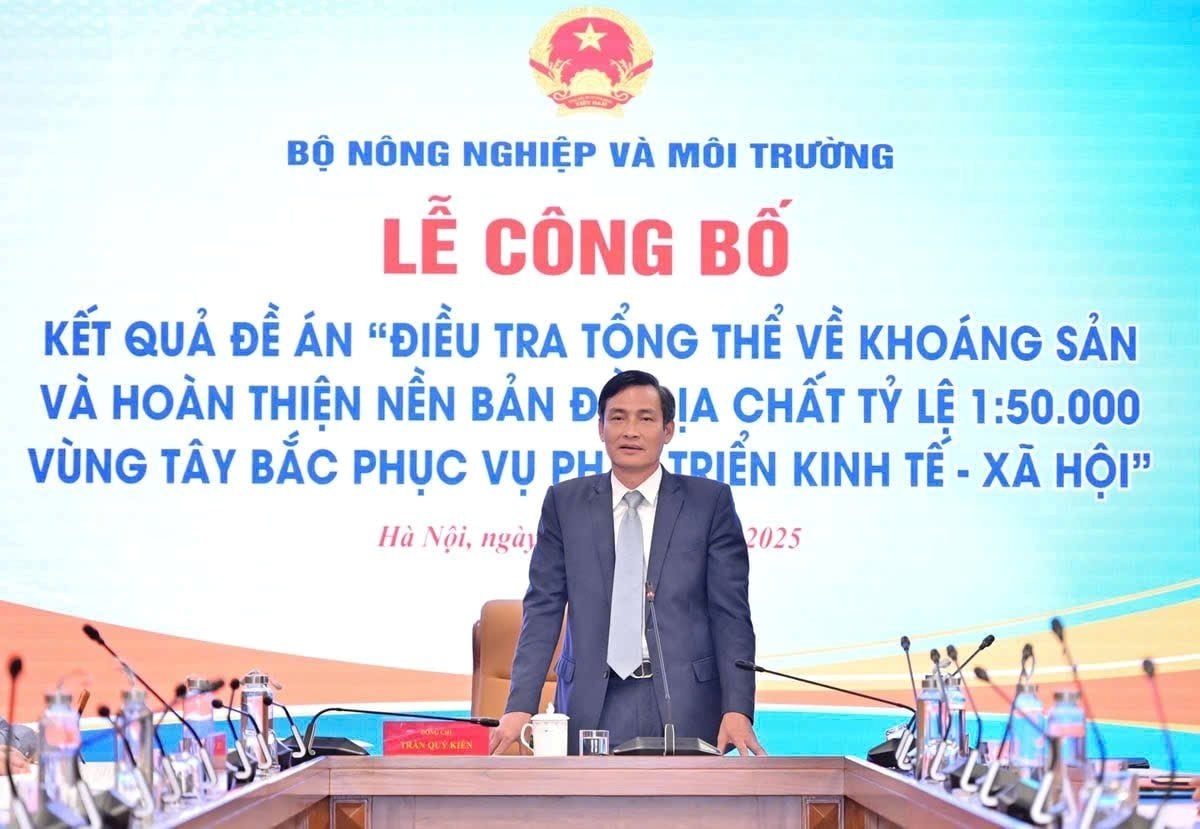
Deputy Minister Trần Quý Kiên. (Photo: VNA)
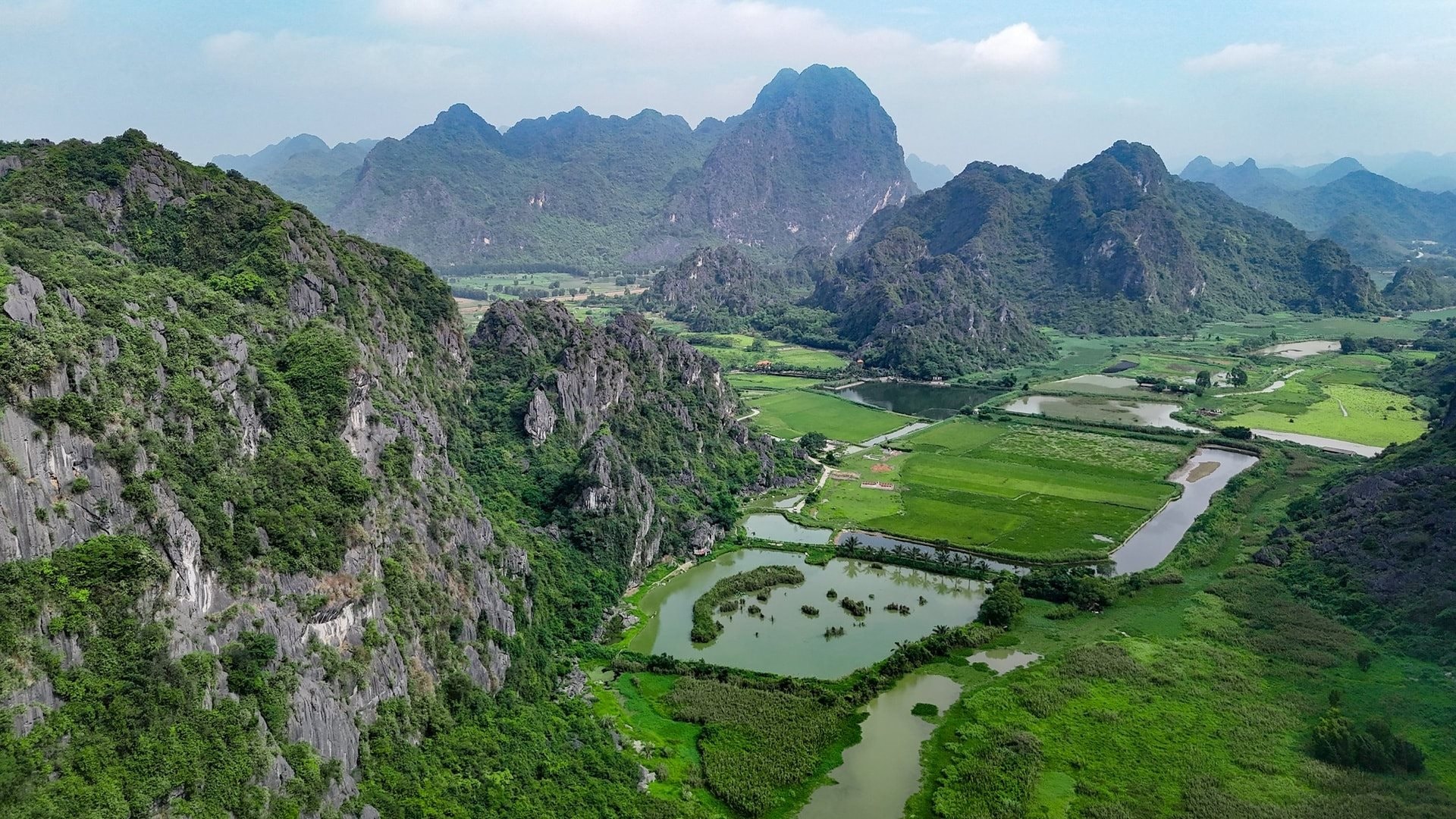
Citing the tragedy of mountains blasted open and communities suffering from pollution, as well as ongoing difficulties in establishing the Kim Bảng Species and Habitat Conservation Area for the Delacour’s langur (in former Hà Nam, now Ninh Bình), Mr. Trương Văn Hà, Head of Hà Nam’s Mineral Resources Division, argued that development harming the environment and public health can never be truly sustainable.
“Leaders everywhere talk about green and sustainable development. Moreover, Vietnam—through Prime Minister Phạm Minh Chính—has already committed to achieving Net Zero by 2050. This requires decisive actions from local authorities starting now,” Mr. Hà said.
For marine resources, Dr. Nguyễn Song Tùng, Director of the Institute of Human Geography and Sustainable Development, emphasized that effective management of marine protected areas is essential, as these areas form the foundation for sustainable development. Every action taken today to protect the oceans contributes meaningfully to Vietnam’s 2050 Net Zero commitment and helps safeguard the “treasures” hidden within the nation’s seas.
Shaping a Sustainable Future Together
Speaking about long-term green vision, Mr. Trịnh Lê Nguyên, Director of the People and Nature Reconciliation (PanNature), stressed that in a modern economy—where cities grow and technologies advance—nature cannot be preserved only in remote forests. Vietnam must restore nature within urban centers, where rivers are revitalized, mangroves return to the coast, and wild birds nest on green rooftops. The future of conservation lies not only in deep forests but also in every urban and economic development choice we make.
Thus, in the future, nature cannot remain confined to distant core zones. A sustainable nation is one where nature returns to cities—in parks, along canals, on green roofs, and in how people reconnect with soil, water, and forests. Nature should not be boxed inside protected areas but woven into the fabric of modern society.
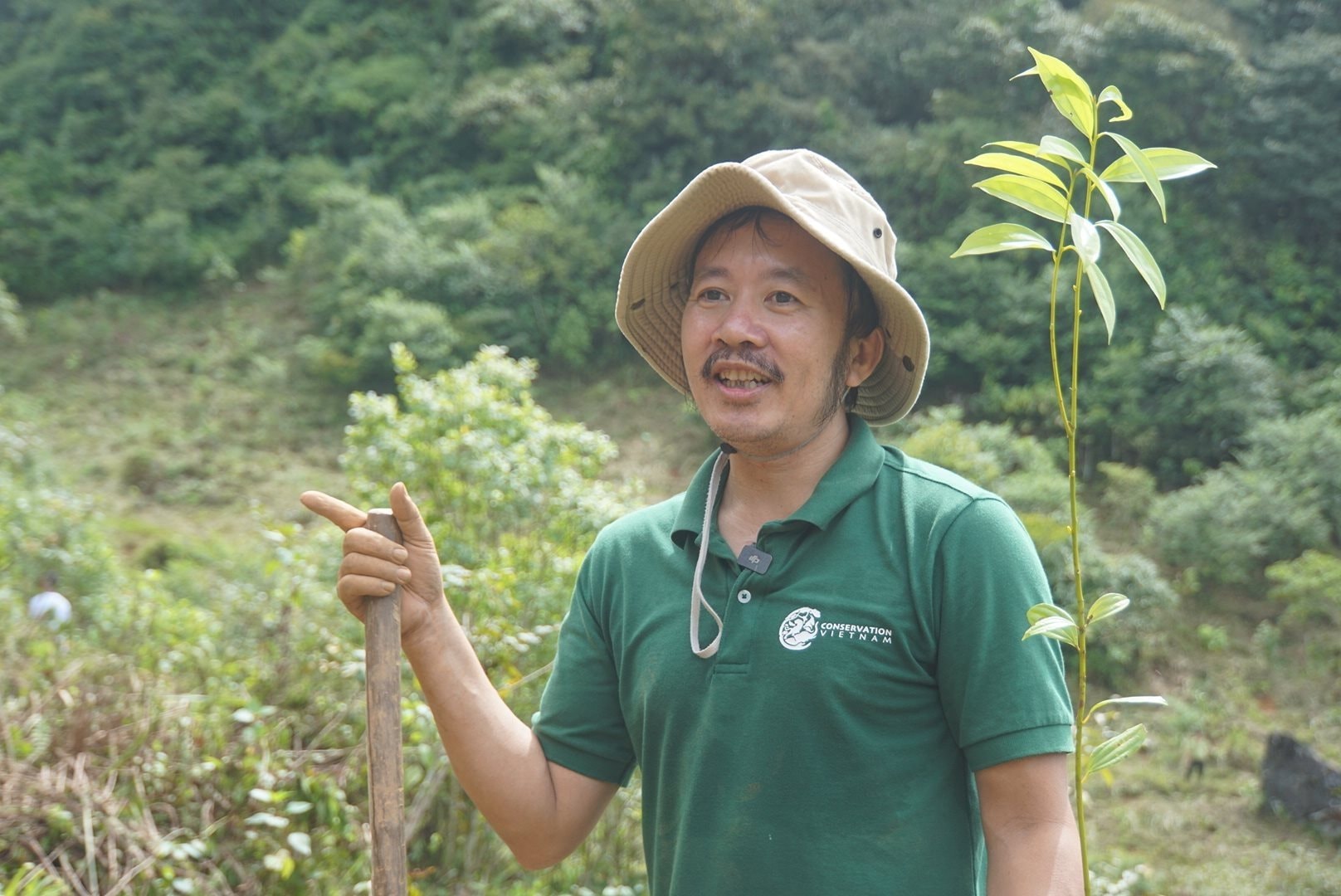
Mr. Trịnh Lê Nguyên, Director of the People and Nature Reconciliation (PanNature). (Photo: PanNature)
Mr. Nguyên also warned that in the next century, GDP may increase tenfold and technology may transform every aspect of life—but without green forests, clean seas, birdsong, and habitats for wildlife, will such development hold meaning for humanity? Worse still, losses to natural resources will be irreversible without early, decisive action.
Therefore, all of society must be mobilized—government, businesses, civil society organizations, and every citizen. In this context, the ongoing provincial mergers present a major opportunity for Vietnam to redesign its conservation landscape—the natural heritage “treasure” that will enable the nation to rise in the New Era.
International organizations, recognizing the importance of global “green lungs” and Vietnam’s rich biodiversity, have committed to accompanying Vietnam in promoting inclusive, science-based conservation aligned with national priorities.
Losses to natural resources will be irreversible if timely and decisive action is not taken early and proactively.
Mr. Patrick Haverman, Deputy Resident Representative of UNDP Vietnam, noted that 2025 presents an opportunity for Vietnam to strengthen the link between development and conservation, placing nature at the center of sustainable development strategies. Integrating biodiversity conservation into national and sectoral development planning is crucial. When nature is prioritized from the beginning of planning, future risks and costs are reduced, ensuring that no one is left behind.
UNDP has committed to supporting Vietnam with technical guidance and financial connections to implement its National Biodiversity Strategy and Action Plan (NBSAP); assessing risks posed by invasive species; and mainstreaming biodiversity across agriculture, forestry, and fisheries for sustainable development.
“
Let us build a future where people and nature thrive together. Together, we can hope to reverse biodiversity loss and secure a sustainable future for generations to come."
Mr. Patrick Haverman, Deputy Resident Representative of UNDP Vietnam
Daniel Herrmann, Climate Policy Director at GIZ, noted that Vietnam’s simultaneous pursuit of the SDGs and the Kunming–Montreal Global Biodiversity Framework (GBF) to 2030 demonstrates strong commitment to a prosperous, sustainable future for its more than 100 million citizens.
Accordingly, GIZ has committed to working with the Ministry of Agriculture and Environment to promote integrated management of diverse-ecosystem protected areas, enhance institutional and technical capacity, promote OECMs, and strengthen biodiversity monitoring to meet GBF commitments.
Official Actions Triggered by the Published Series
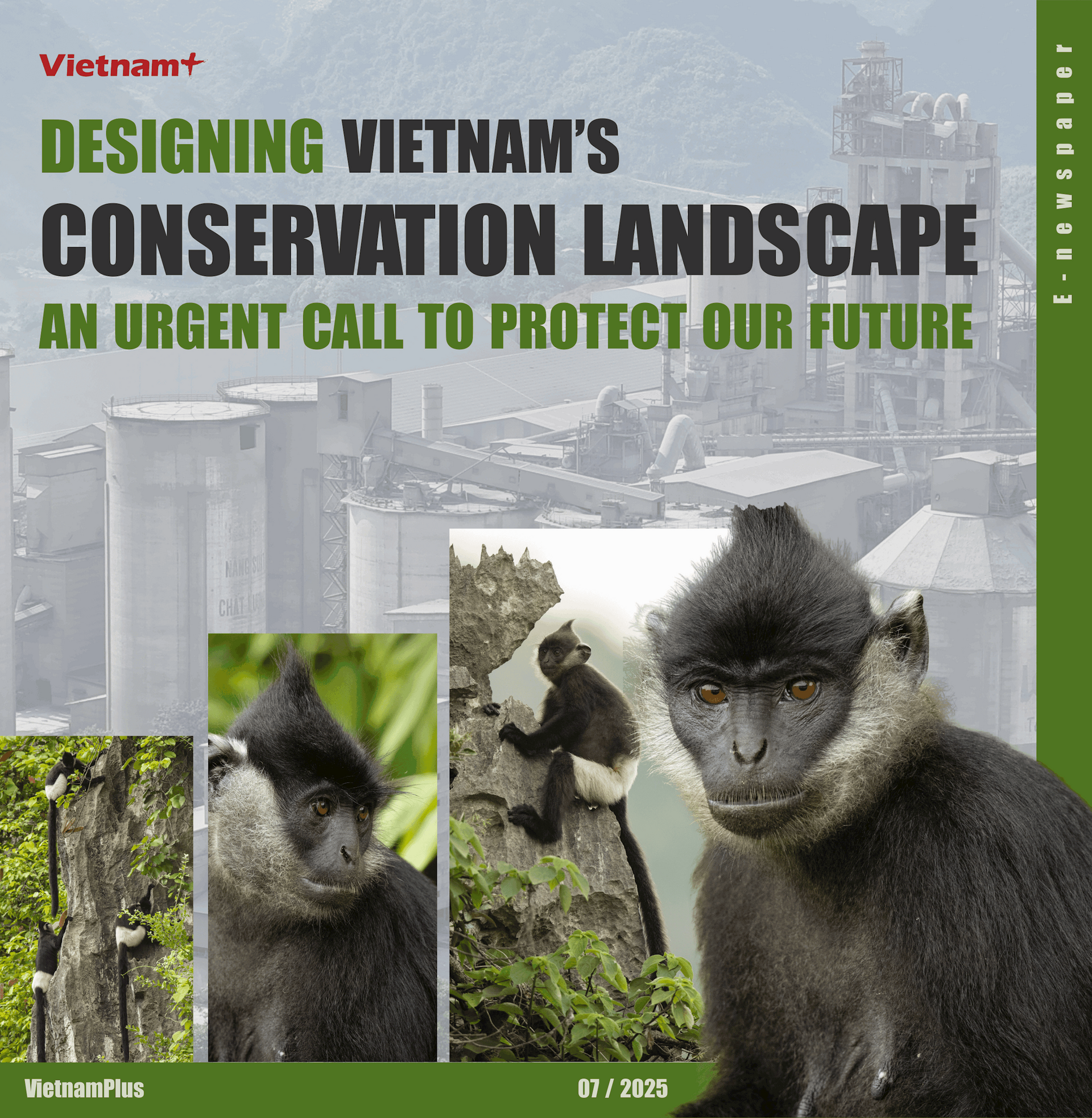
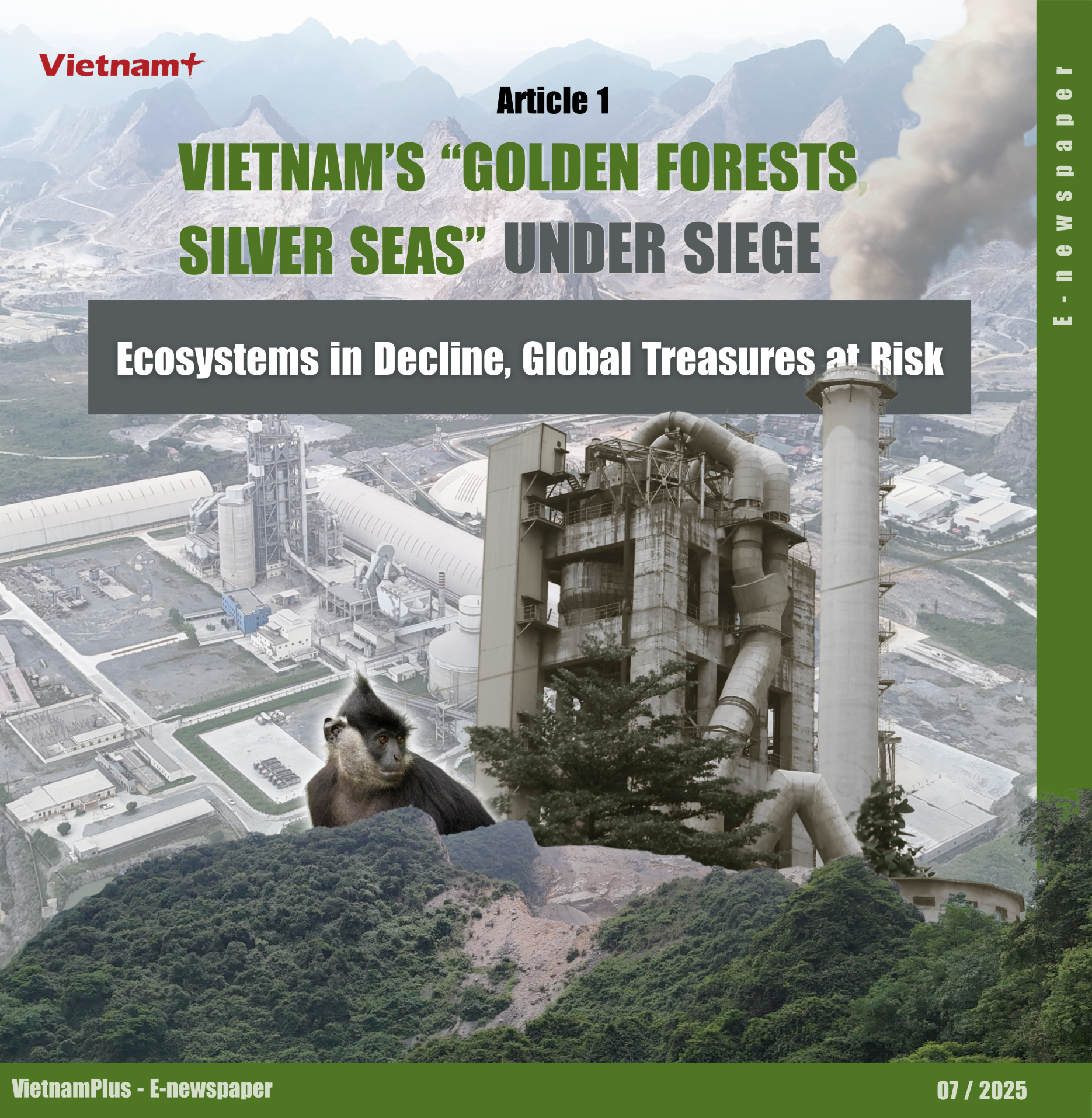
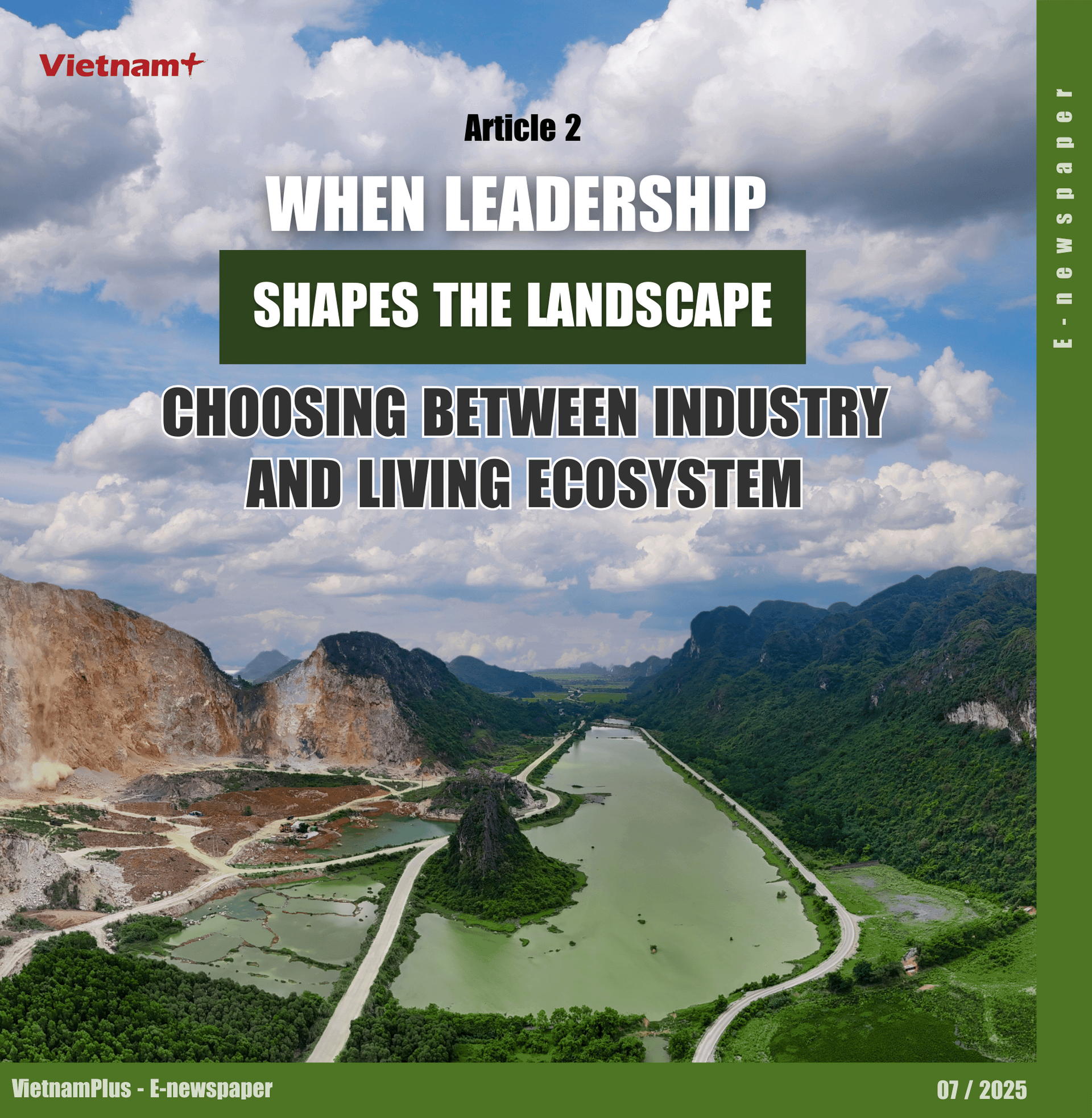
Immediately after the release of the series “Designing Vietnam’s Conservation Landscape: An Urgent Call to Protect Our Future,” environmental and conservation organizations issued an Open Letter to the Prime Minister, the Minister of Agriculture and Environment, and the Chairman of Ninh Bình Province, calling for urgent establishment and protection of the Kim Bảng Species and Habitat Conservation Area for the Delacour’s langur; restoration of post-mining environments; securing ecological corridors; and reviewing development projects that may threaten the proposed protected area.
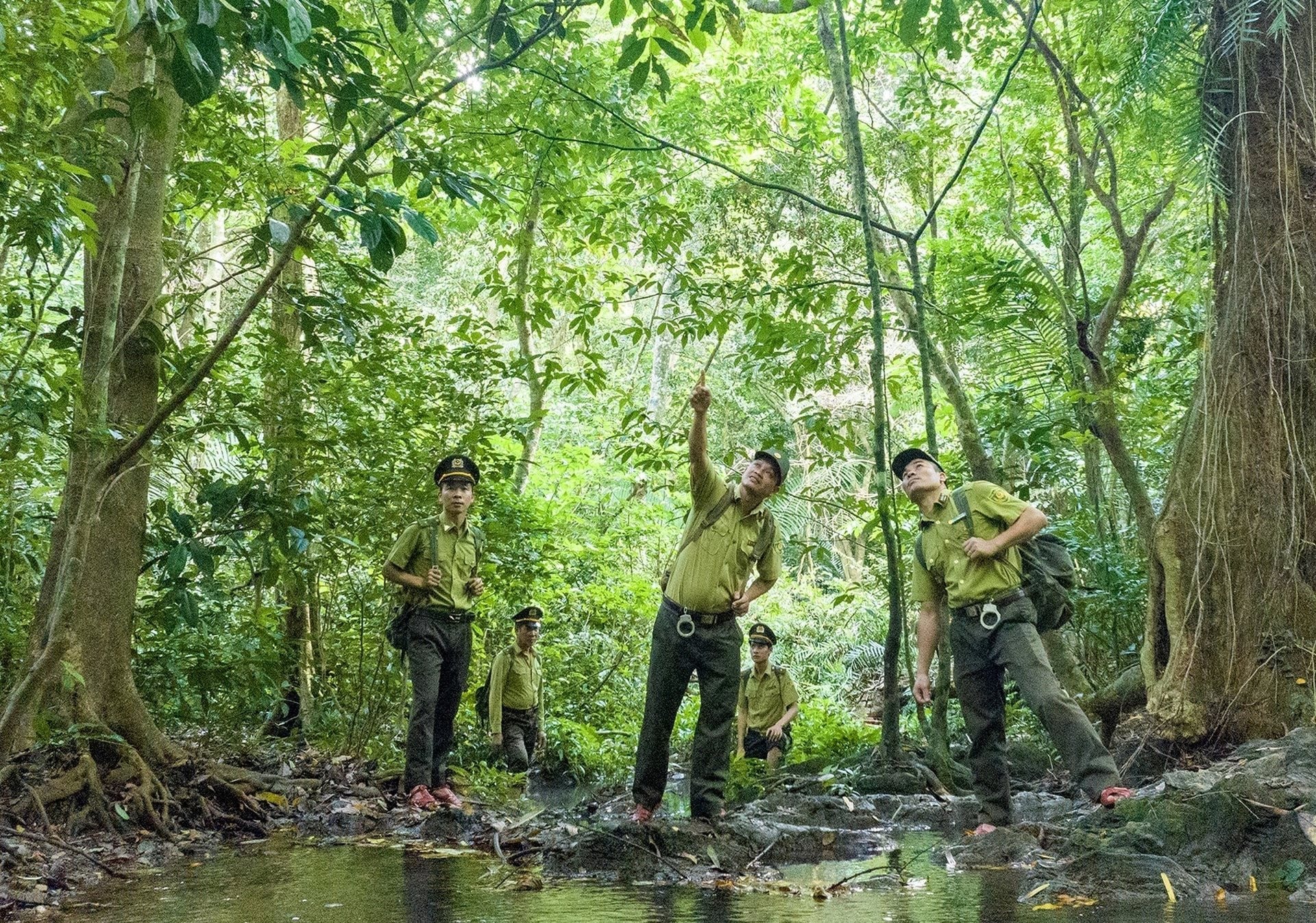
Forest patrol and protection have always been top priorities at Cúc Phương National Park, serving as a testament to the safeguarding and sustainable promotion of the nation’s natural resources. (Photo: VNA)
Acknowledging and appreciating VietnamPlus’ reporting, the Ministry of Agriculture and Environment promptly issued directives requesting relevant local authorities to investigate the information and propose timely measures. Provinces were instructed to eliminate quarrying areas that threaten endangered species’ habitats; review planning; and ensure balanced supply and demand for construction materials to avoid surplus, preserve landscapes, and pursue sustainable development.
The Ministry also urged localities to improve environmental impact assessment (EIA) quality, strictly monitor environmental restoration obligations after mining, and review or mandate restoration at mines that have closed or are closing—ensuring reasonable land-use planning and gradually integrating these areas into protected zones for ecological recovery.
With the understanding that green development and conservation are unavoidable global trends, Ms. Ramla Khalidi, UNDP Resident Representative in Vietnam, proposed five priority actions and eight key solutions to help Vietnam strengthen biodiversity protection, enhance resilience to climate change, and meet international commitments. She emphasized the need to restore habitats, prevent land encroachment, rehabilitate limestone forests, mainstream biodiversity into all provincial and sectoral planning processes, expand and connect protected areas, adopt technology for monitoring, and link regions through ecological corridors.
Based on the information reported and the recommendations of management agencies, local authorities have convened meetings to discuss solutions. The Ninh Bình Department of Agriculture and Environment announced it will submit proposals to the Provincial People’s Committee regarding the establishment of the Kim Bảng Species and Habitat Conservation Area.
Leadership of the Nature and Biodiversity Conservation Agency stated that it will coordinate with other units under the Ministry to conduct field inspections and report findings to the Prime Minister as part of the mid-term review of national biodiversity conservation planning. The Ministry will also recommend amendments to several laws—including the Law on Biodiversity—and related decrees and circulars to strengthen management.
Deputy Minister Nguyễn Quốc Trị affirmed that in the coming period, Vietnam will continue improving institutions, policies, and legal frameworks to mobilize resources for nature; explore and promote payments for other ecosystem services such as wetlands and marine ecosystems; integrate conservation objectives into socio-economic development strategies; expand public–private and international cooperation; and enhance community and business participation.
Bình luận của bạn đã được gửi và sẽ hiển thị sau khi được duyệt bởi ban biên tập.
Ban biên tập giữ quyền biên tập nội dung bình luận để phù hợp với qui định nội dung của Báo.
.png "Phá rào cản, khơi nguồn lực: Việt Nam quyết liệt hành động xây dựng quốc gia biển mạnh")

.png "Bài 2. Lãng phí “kho báu điện gió ngoài khơi”: Bỏ ngỏ cơ hội, chậm bước ra biển lớn")